





















Ava Platt
Project Outline
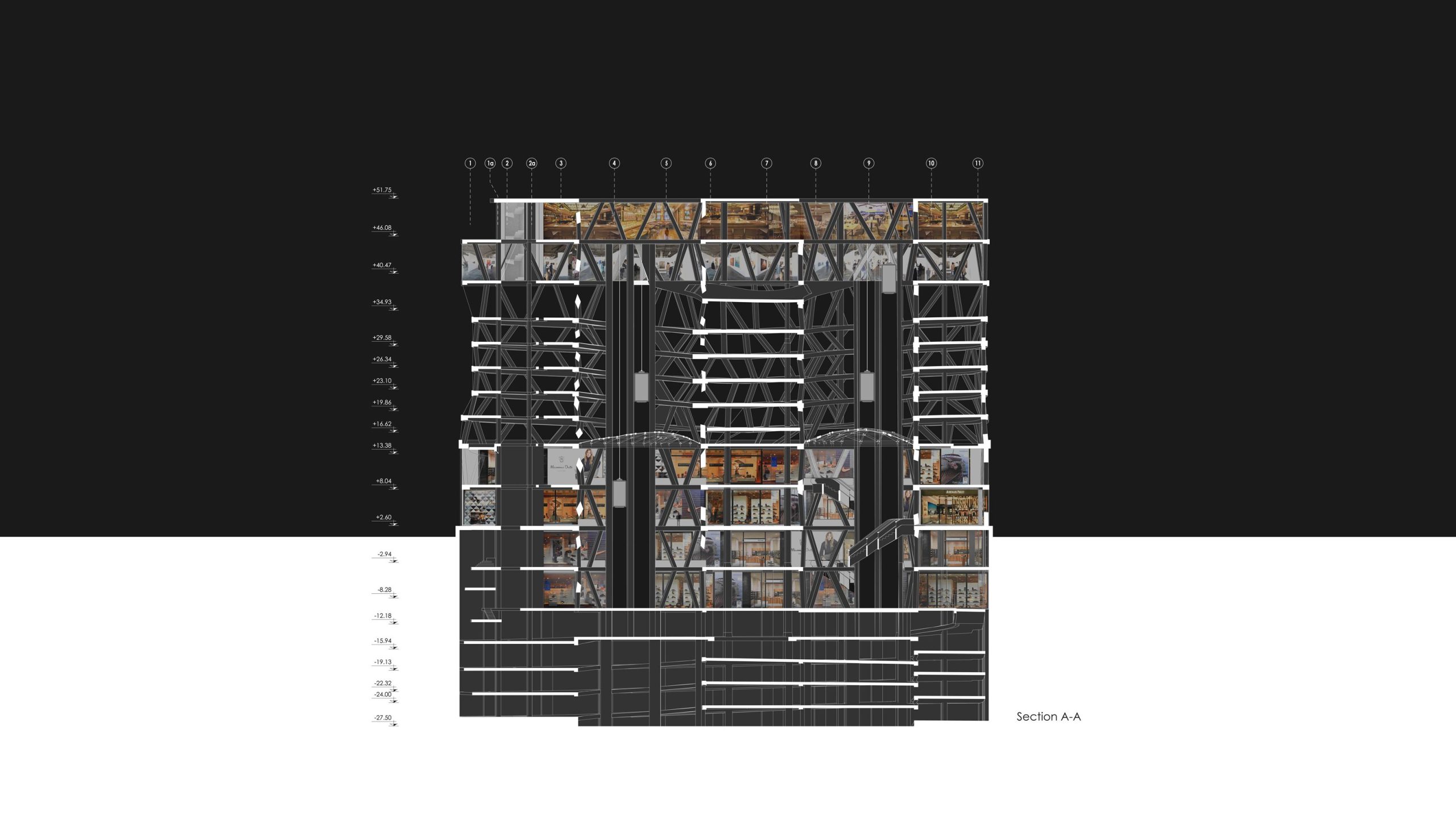
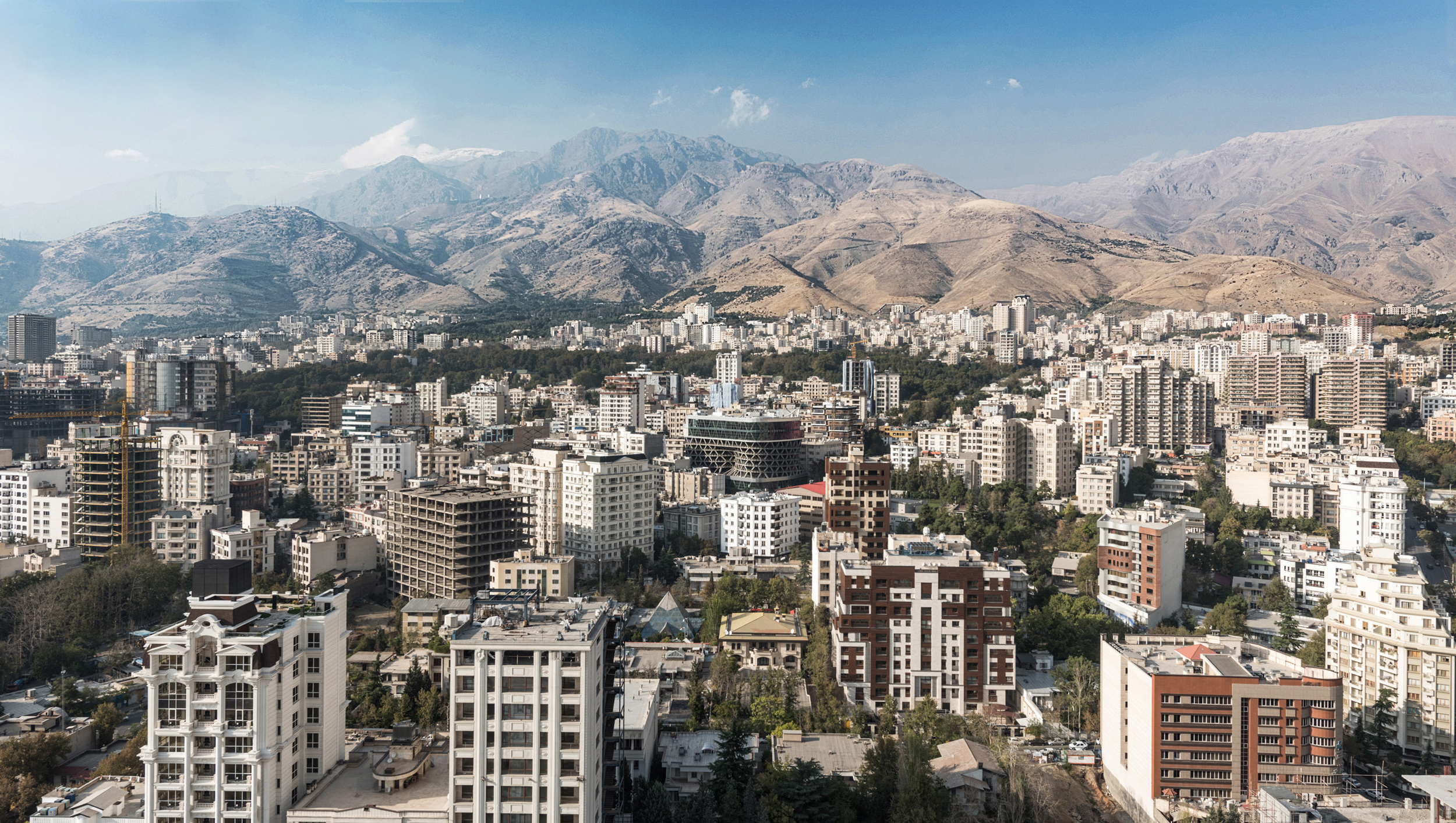
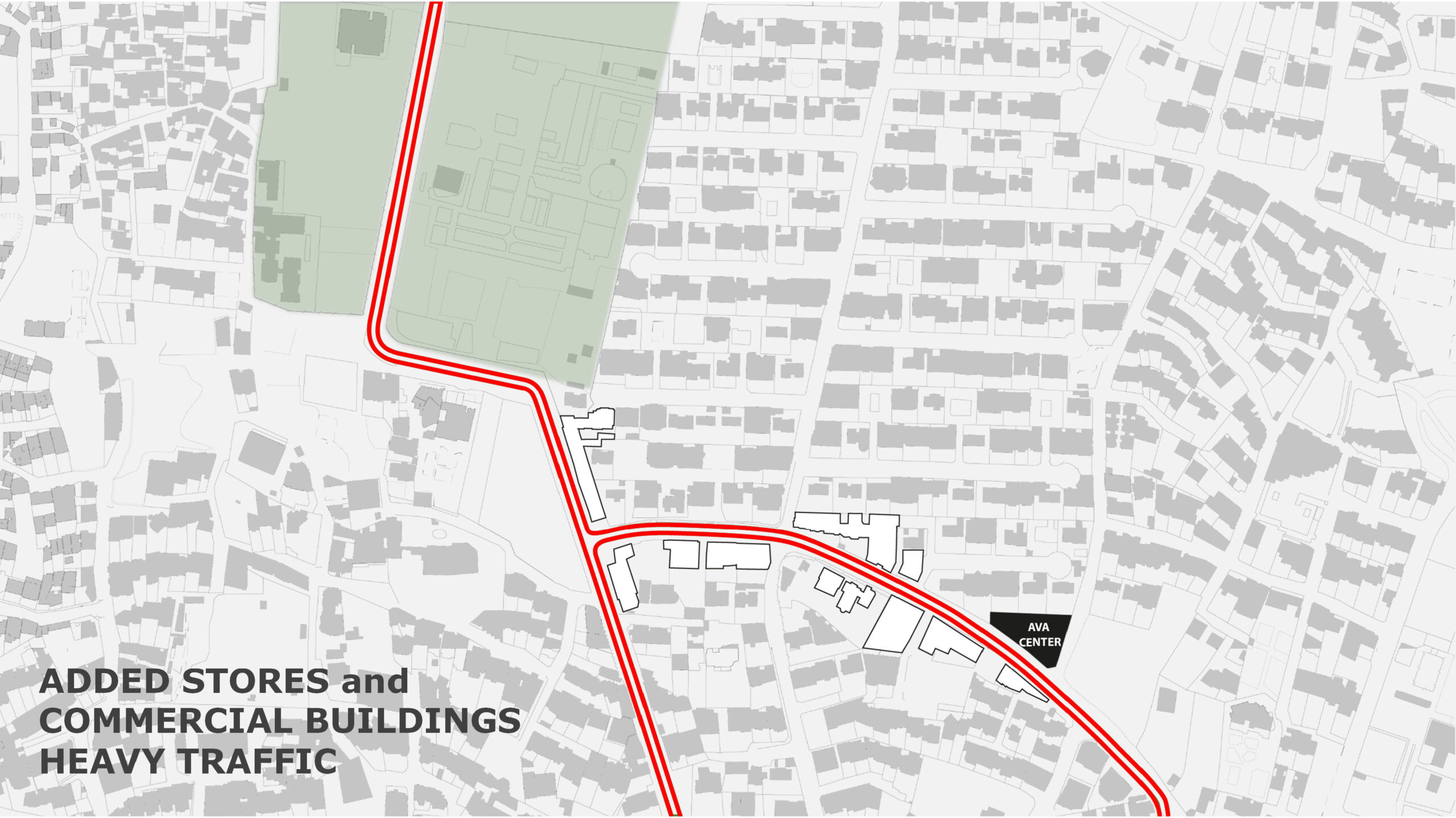
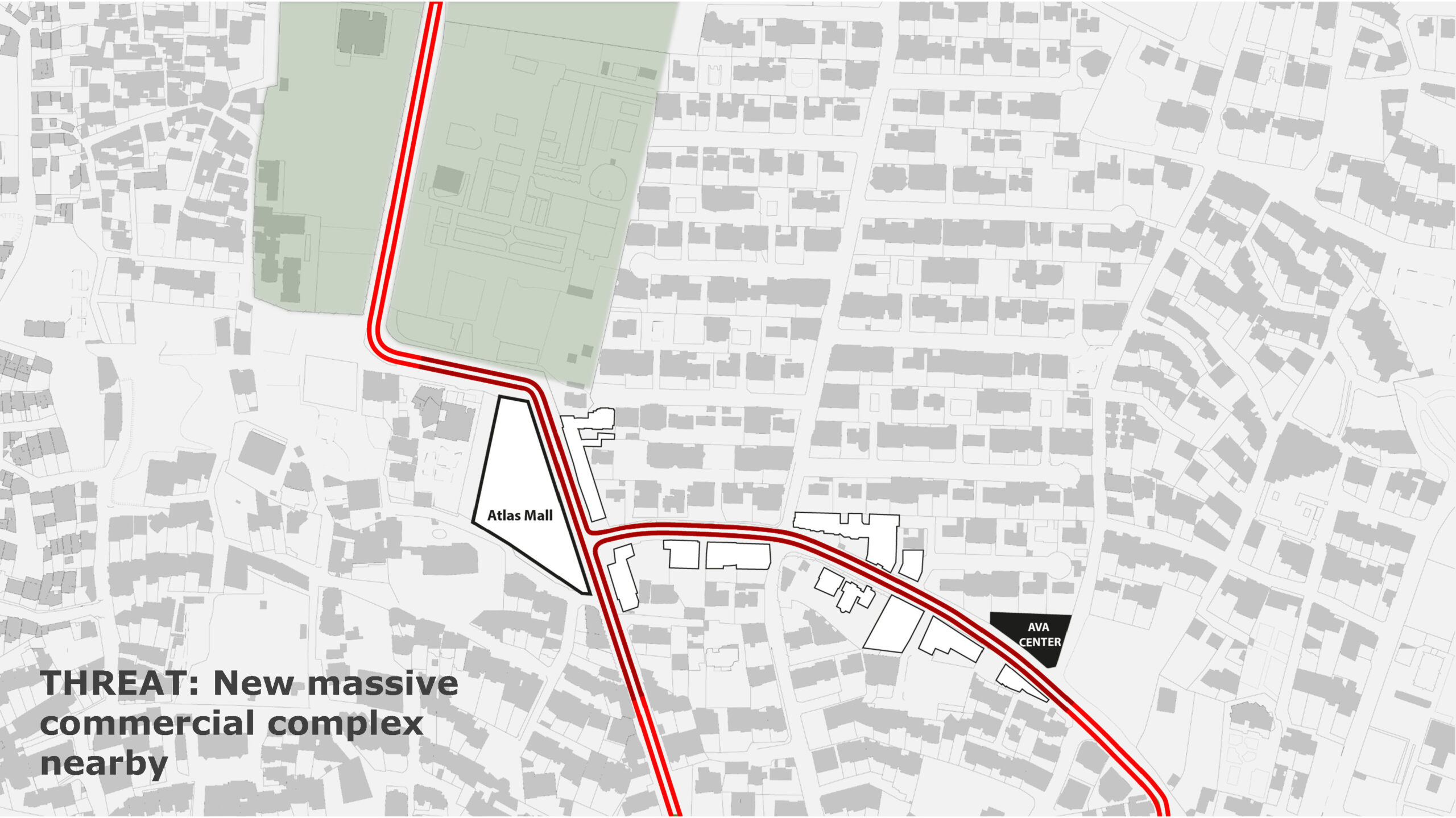
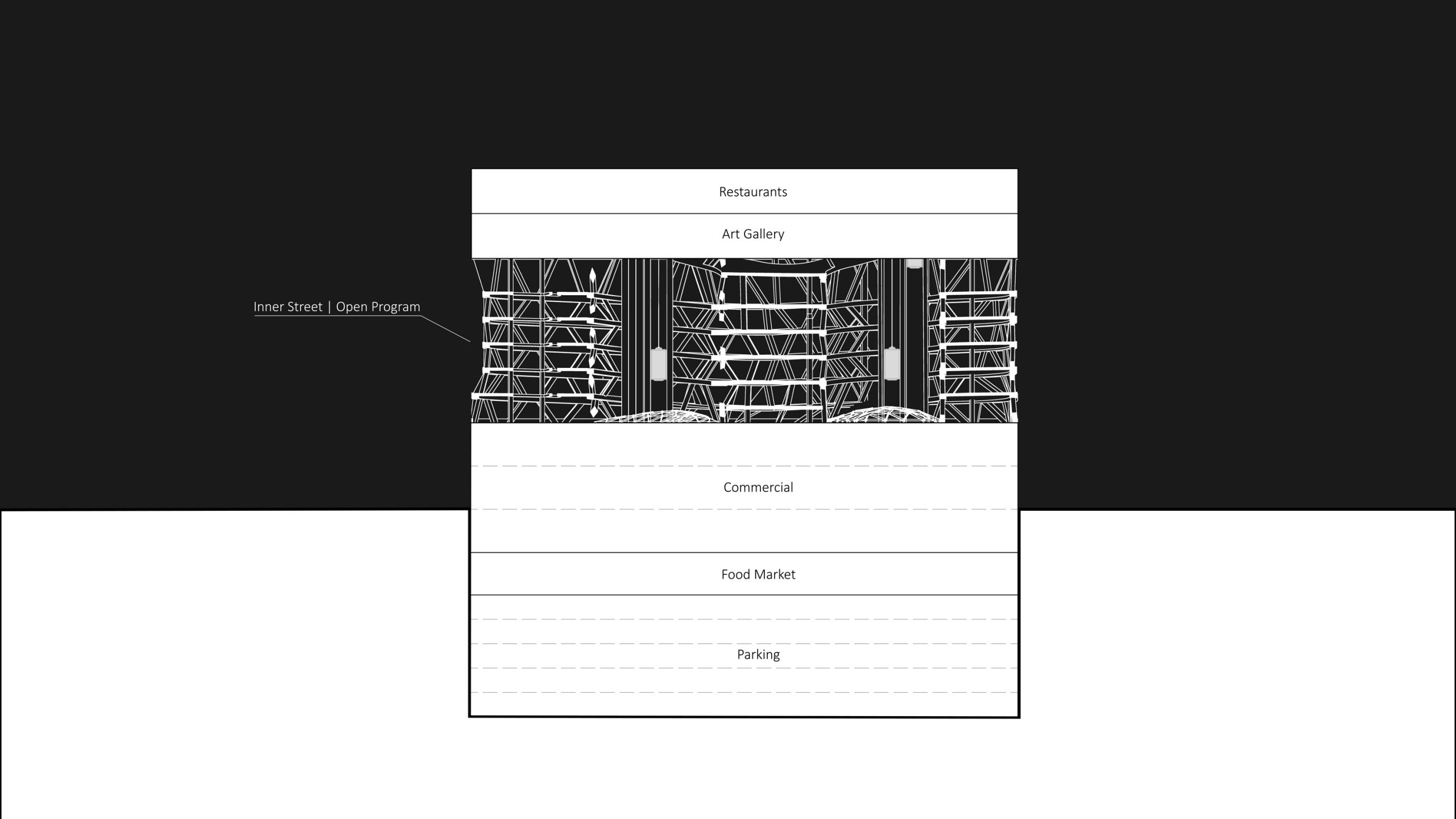
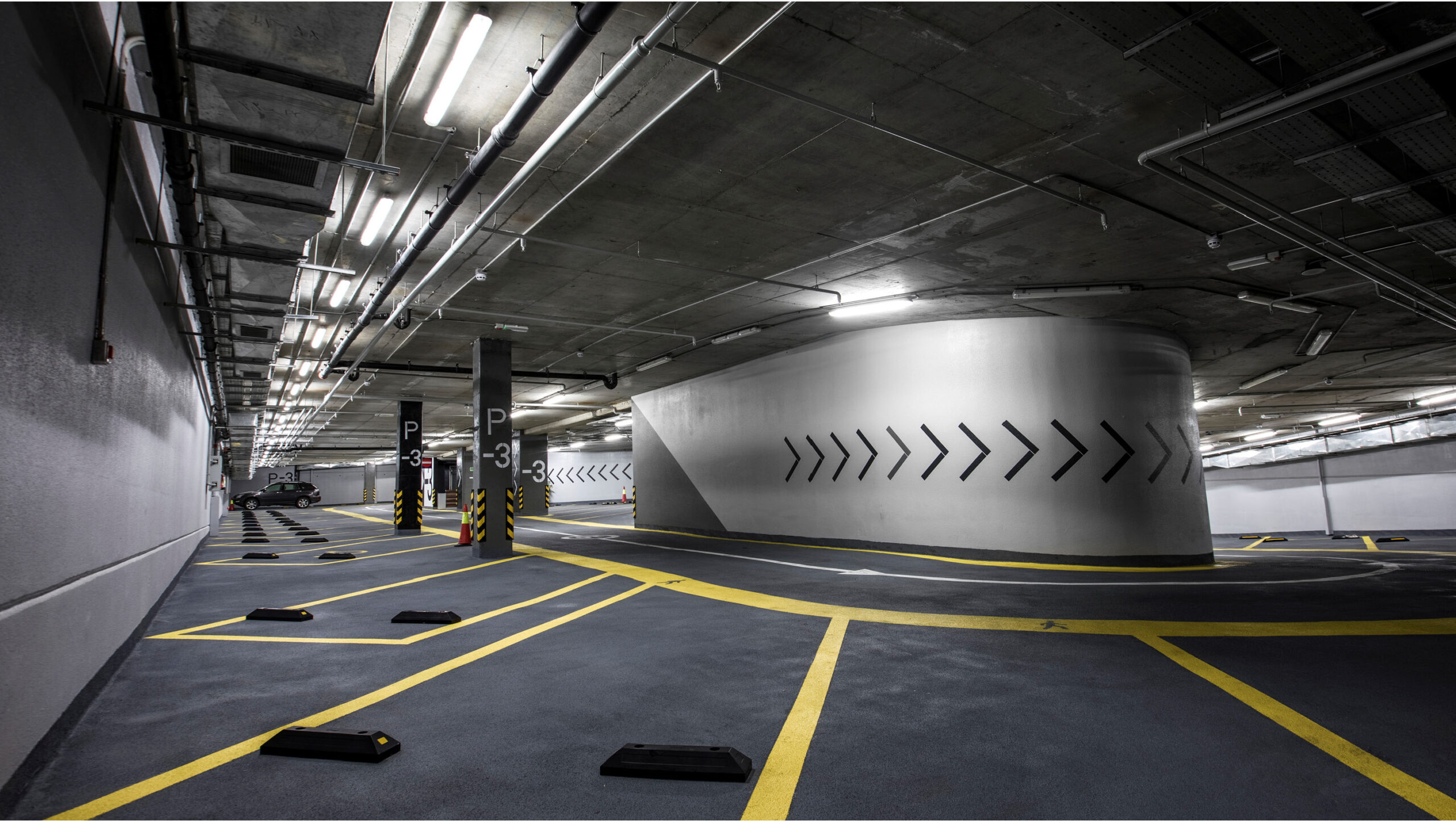
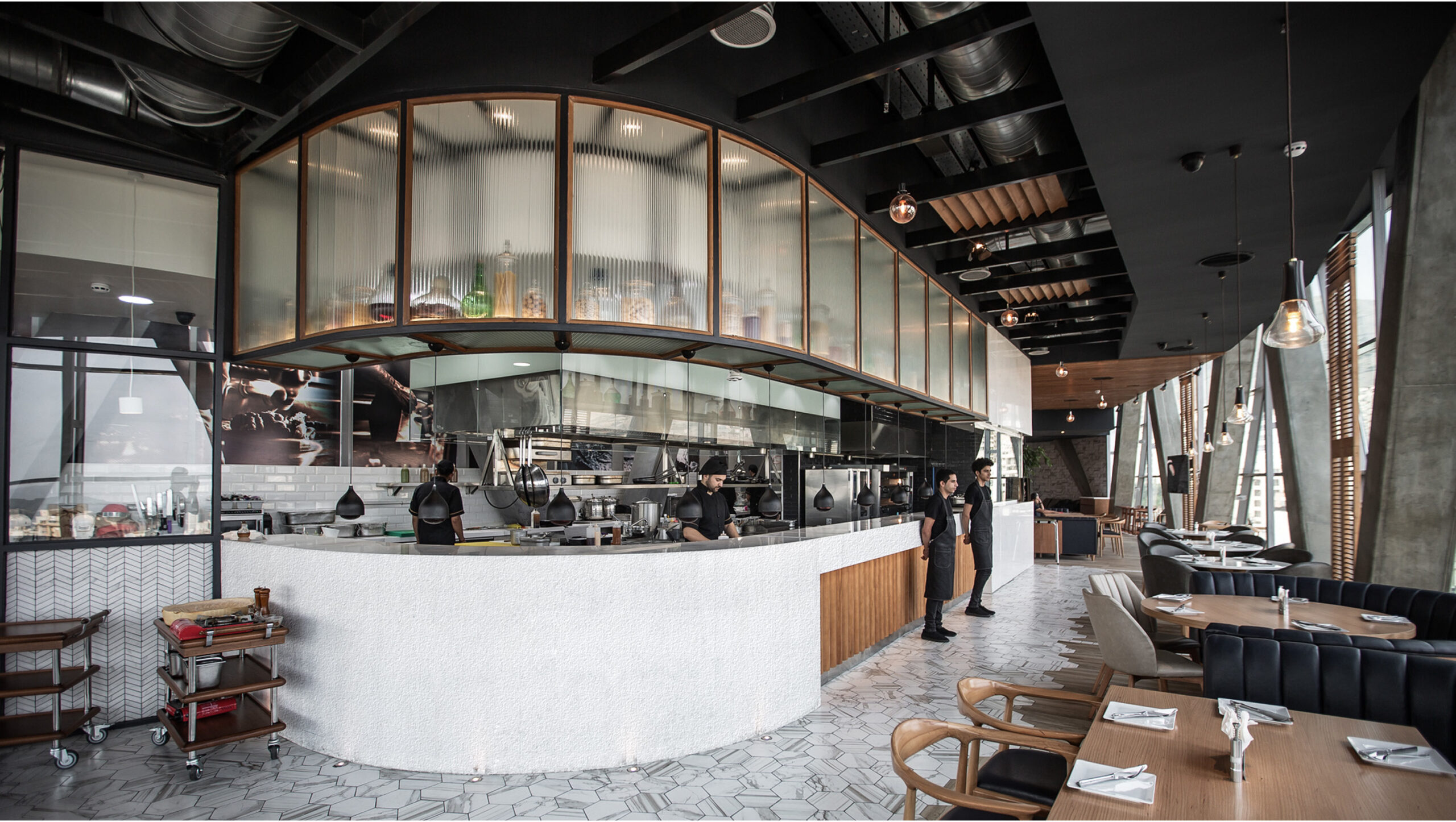
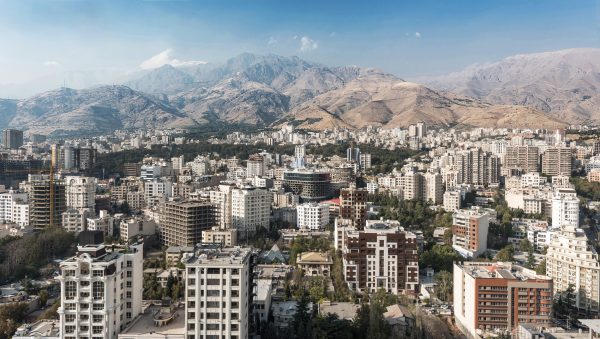
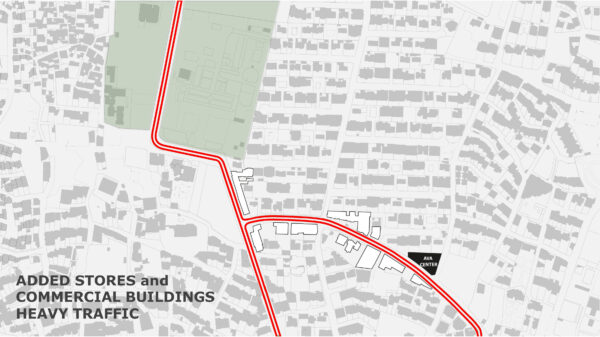
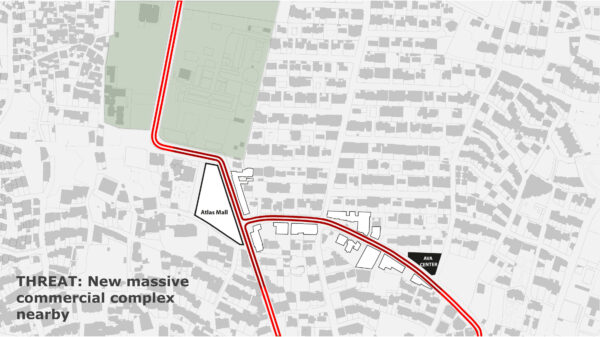
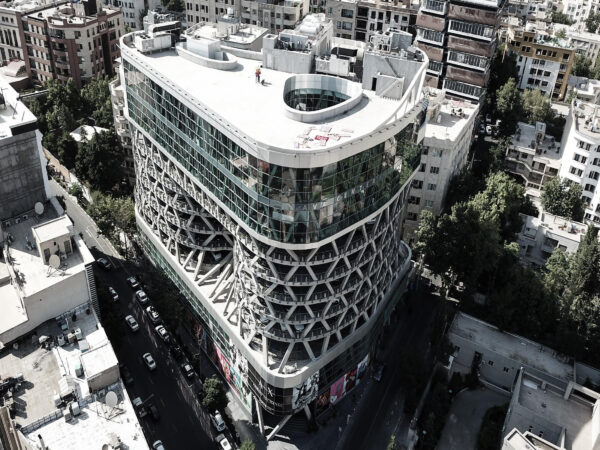
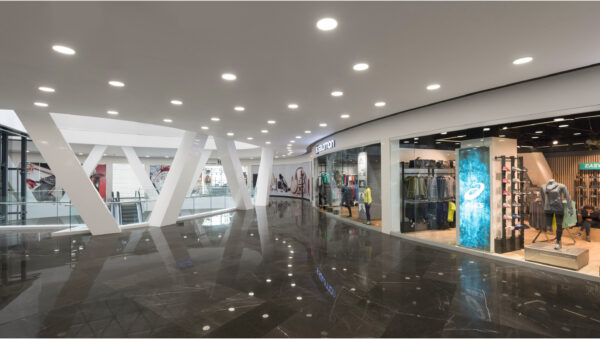
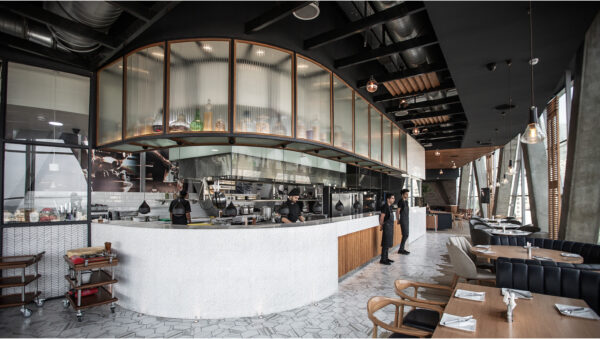
The project initially began as a conventional commercial building: four basement levels of parking with four floors of retail space above. However, the urban conditions of Aghdassieh Street introduced a more complex challenge. The area already contained several aging shopping centers, all lacking adequate public parking, resulting in severe traffic congestion. In response, the municipality proposed an incentive-based strategy. If the developer agreed to provide several levels of public parking above the commercial podium, permission would be granted for two additional floors dedicated to restaurants or cultural programs.
Architectural Concept
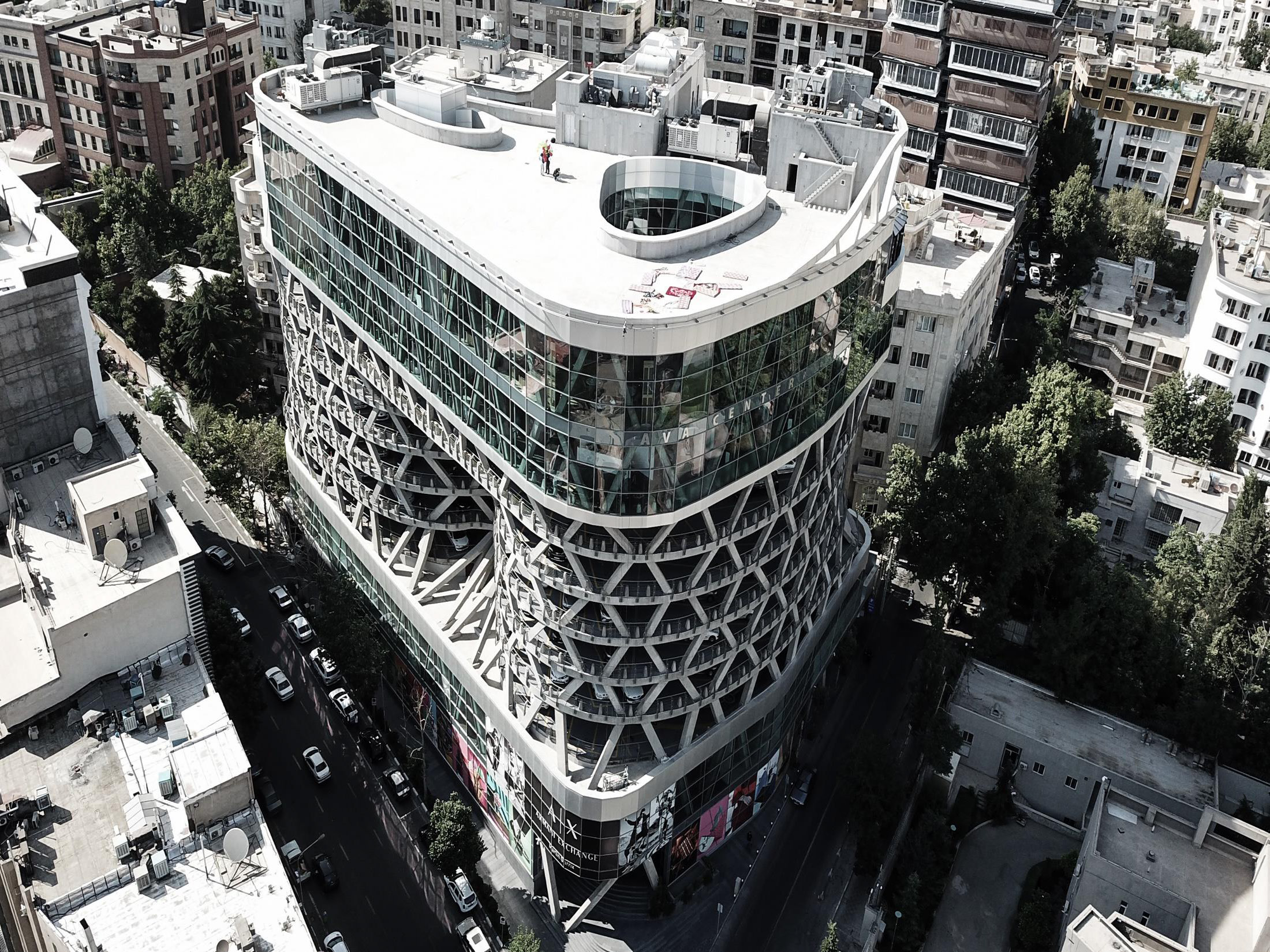
This proposal introduced a significant architectural risk. Parking structures are typically concealed underground, removed from public perception. Here, however, six full levels of parking were to be inserted between the commercial base and the upper cultural programs. This raised critical questions regarding architectural coherence, urban scale, and the visual impact of such a large intermediary volume.
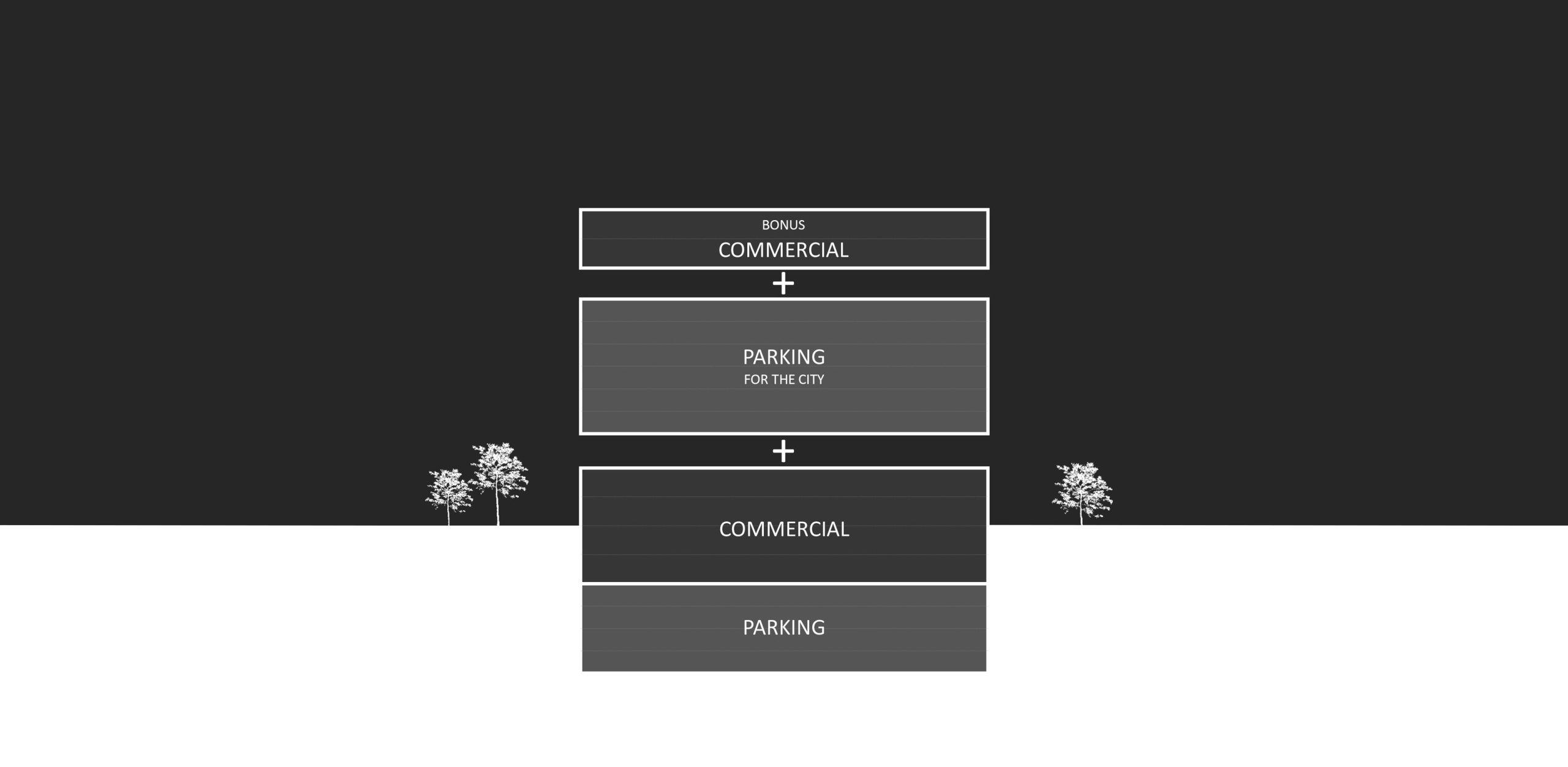
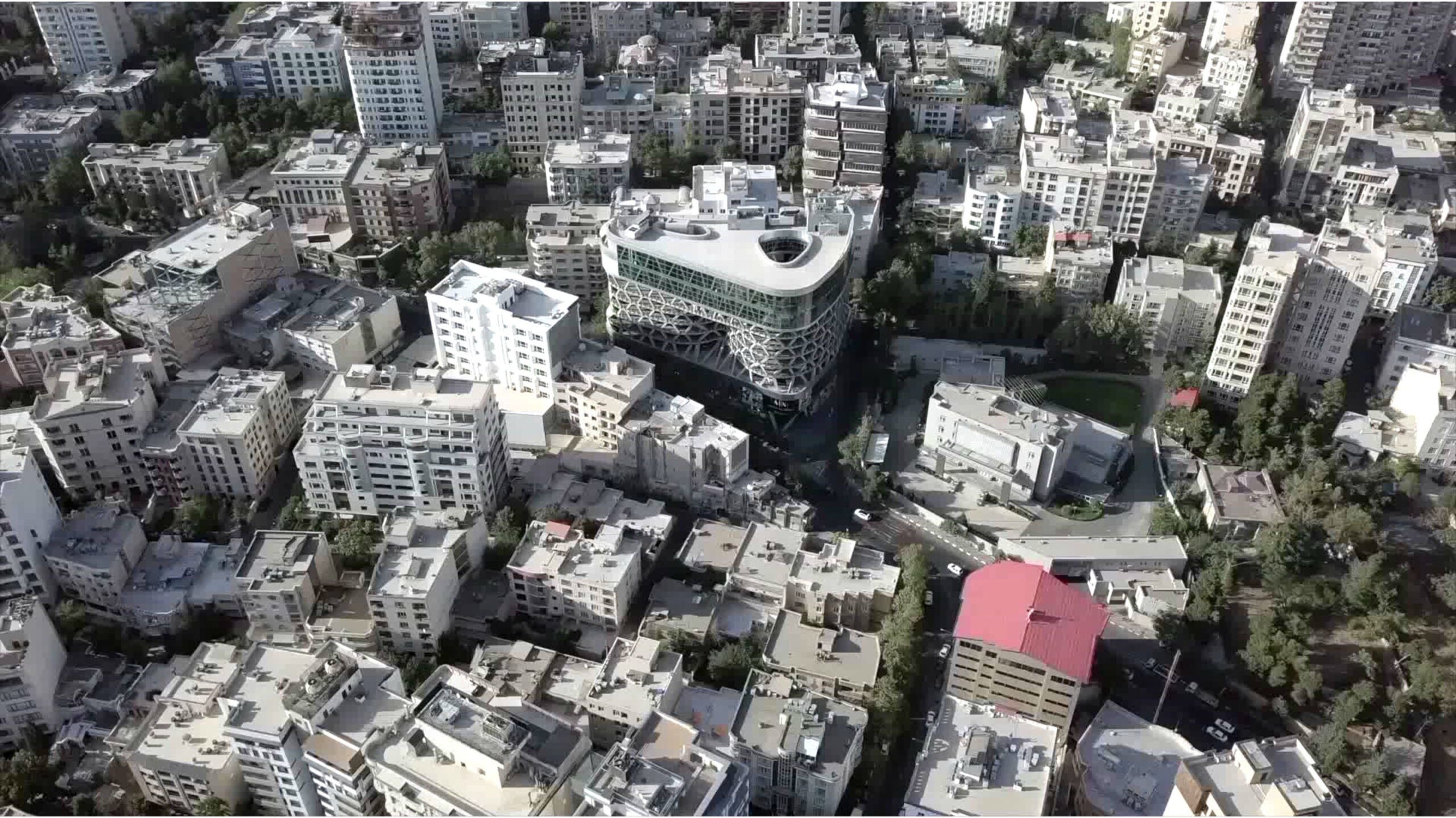
Through extended analysis and discussion, this hybrid condition came to be understood not as a liability, but as an opportunity to generate a new urban typology. Rather than functioning as another isolated shopping center, the building could operate as a civic node—a social condenser within the neighborhood.
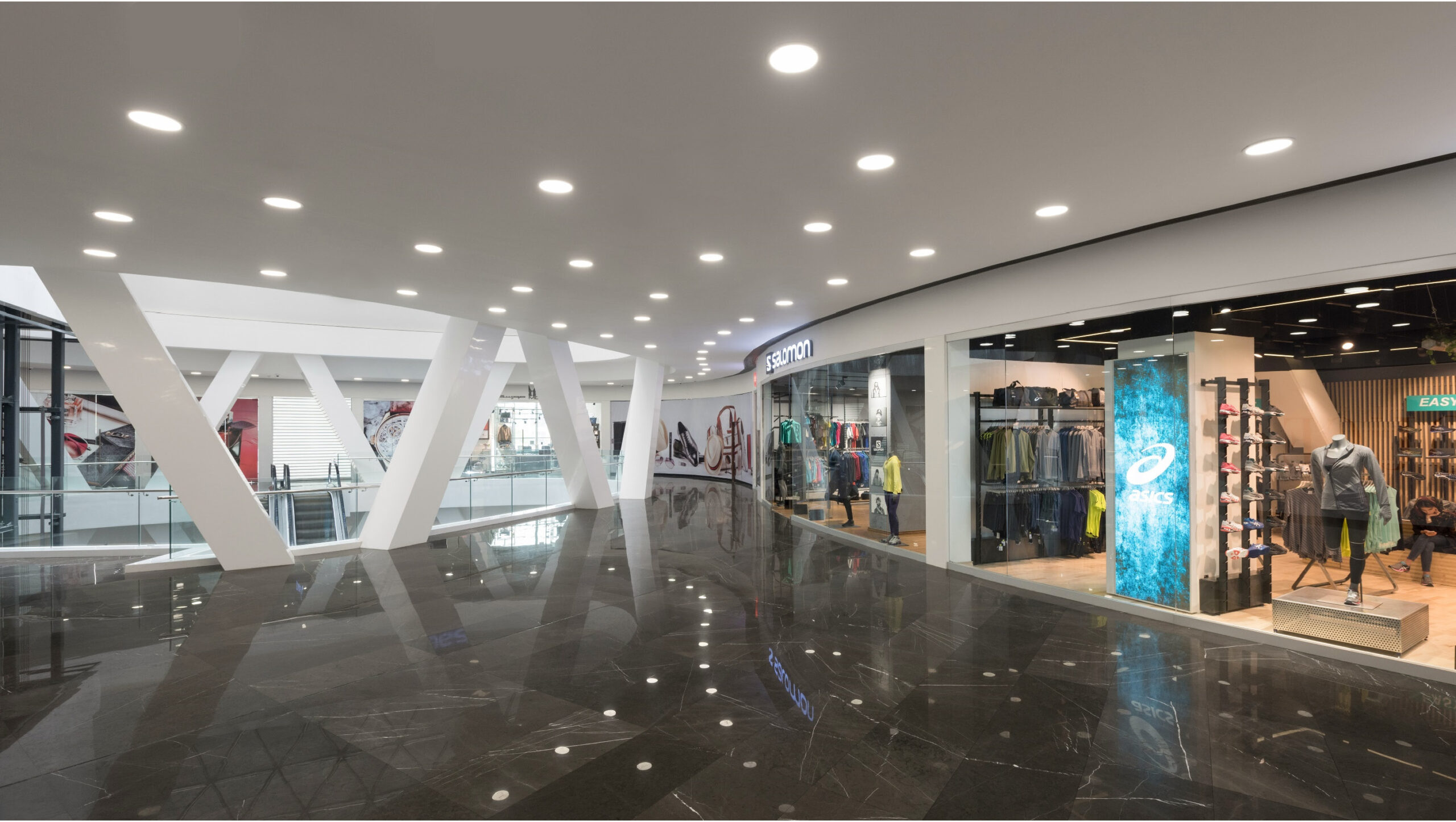
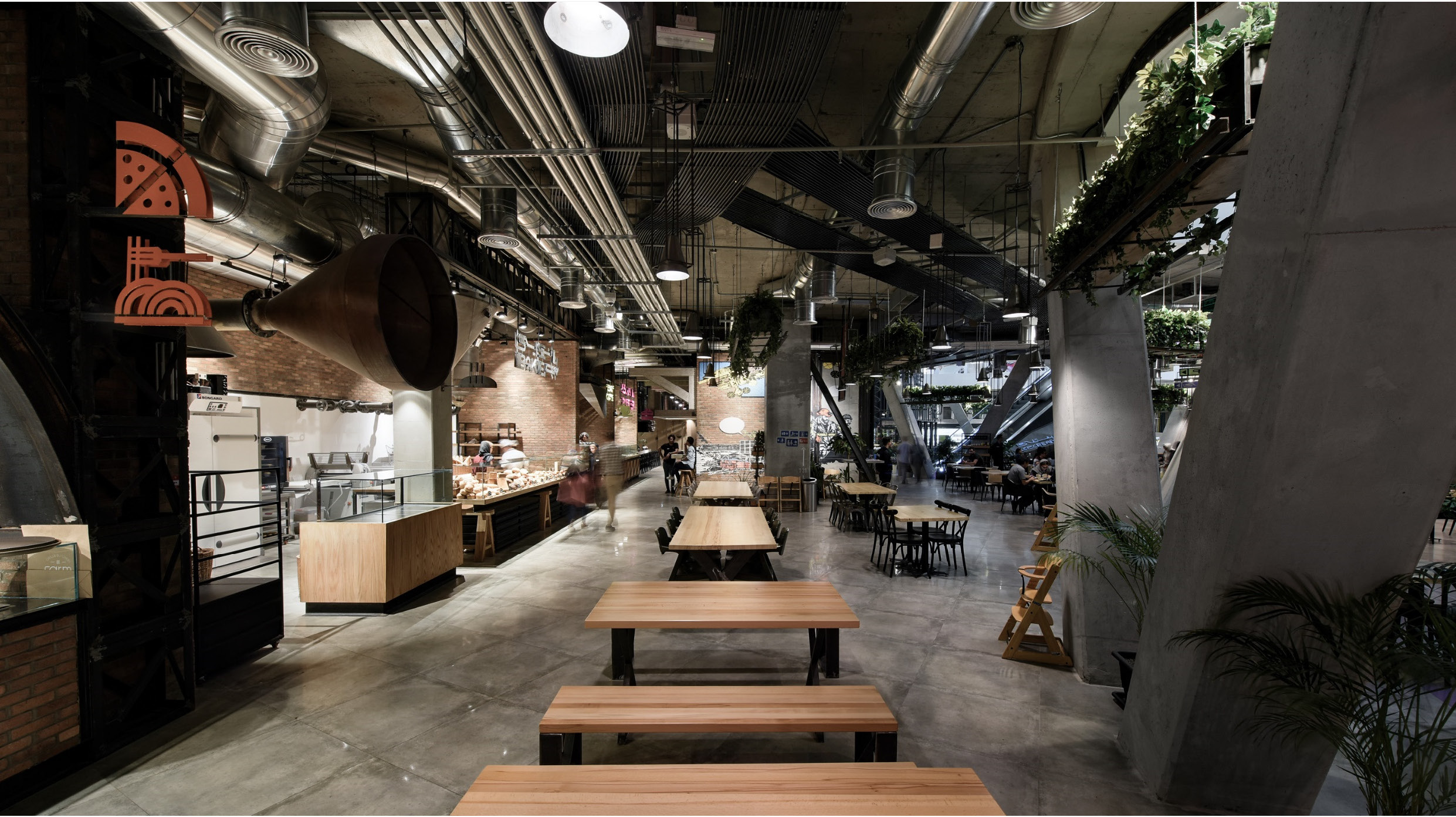
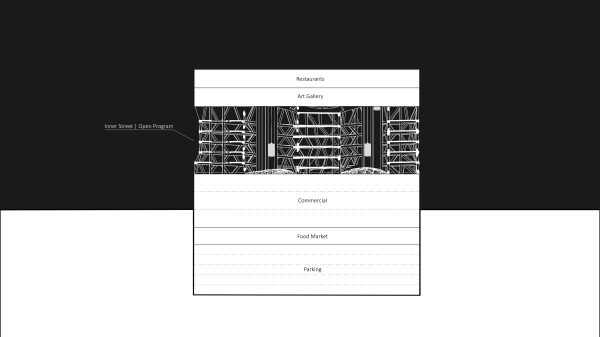
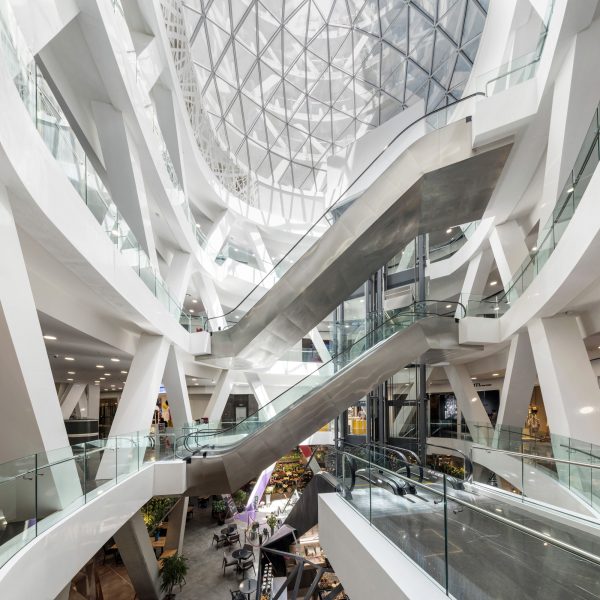
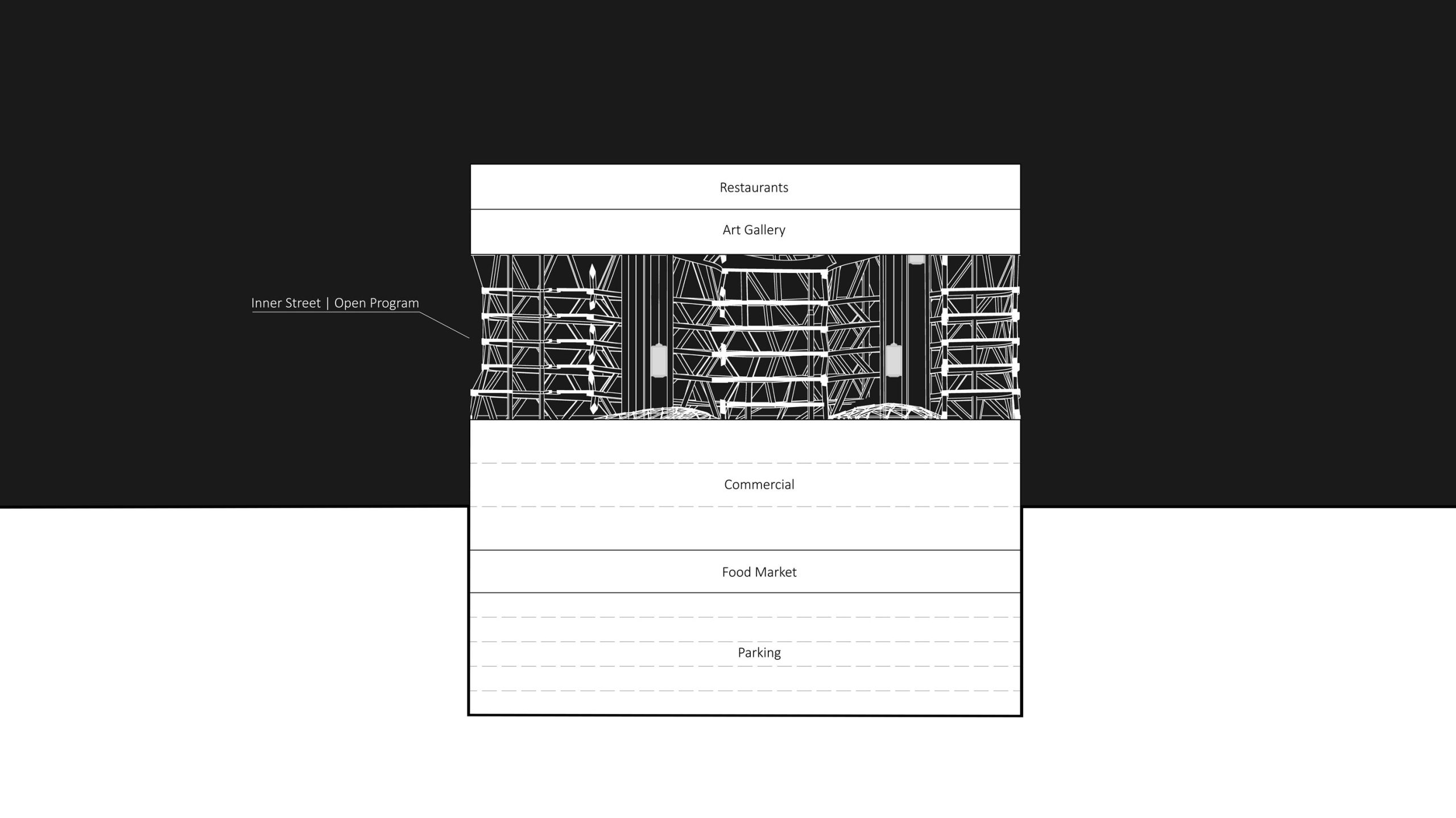
The project was re-conceived as a system of two horizontal slabs: commercial functions below and cultural and restaurant programs above, connected by a central vertical core and a spiraling parking structure occupying the intermediate zone.
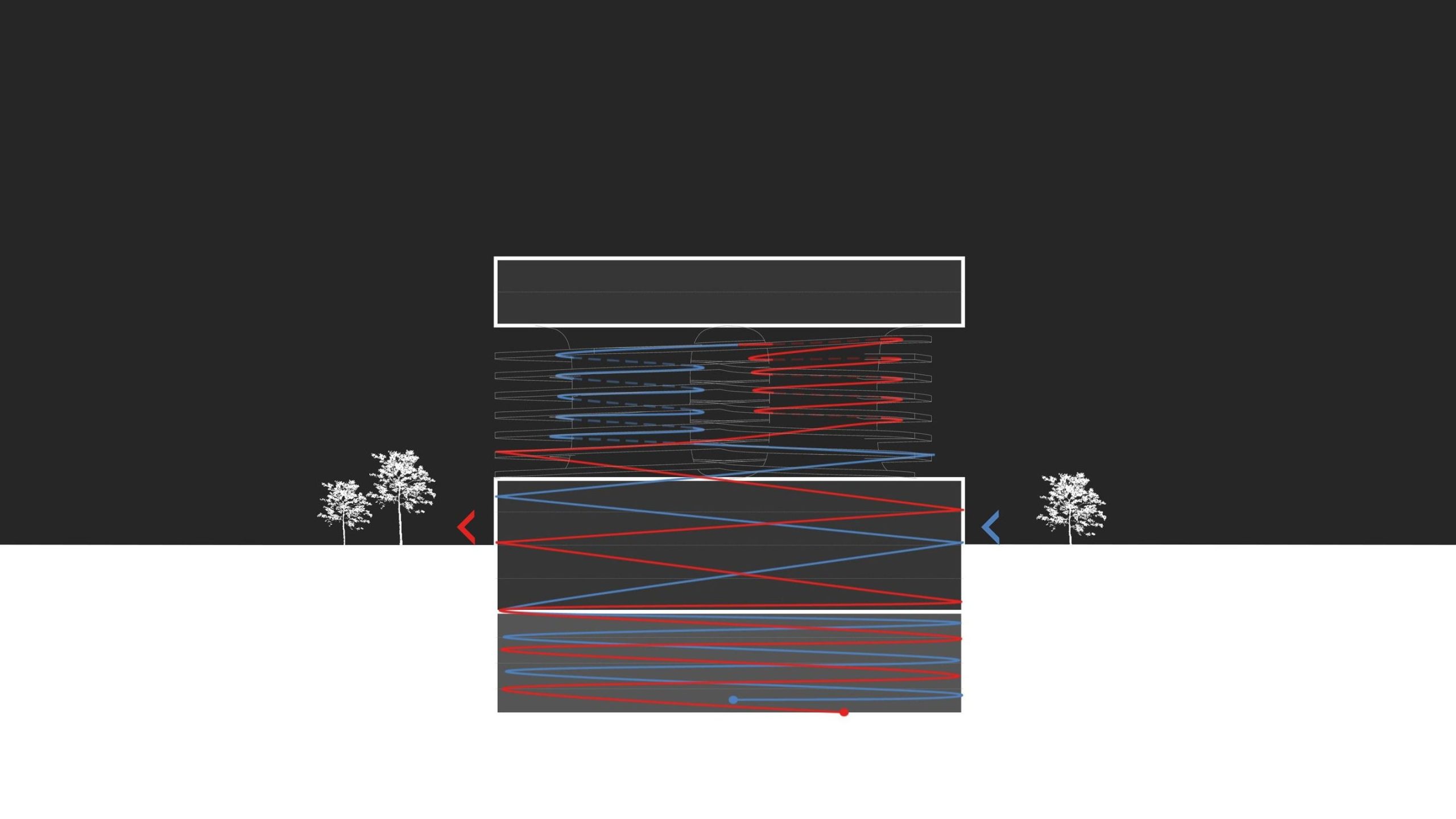
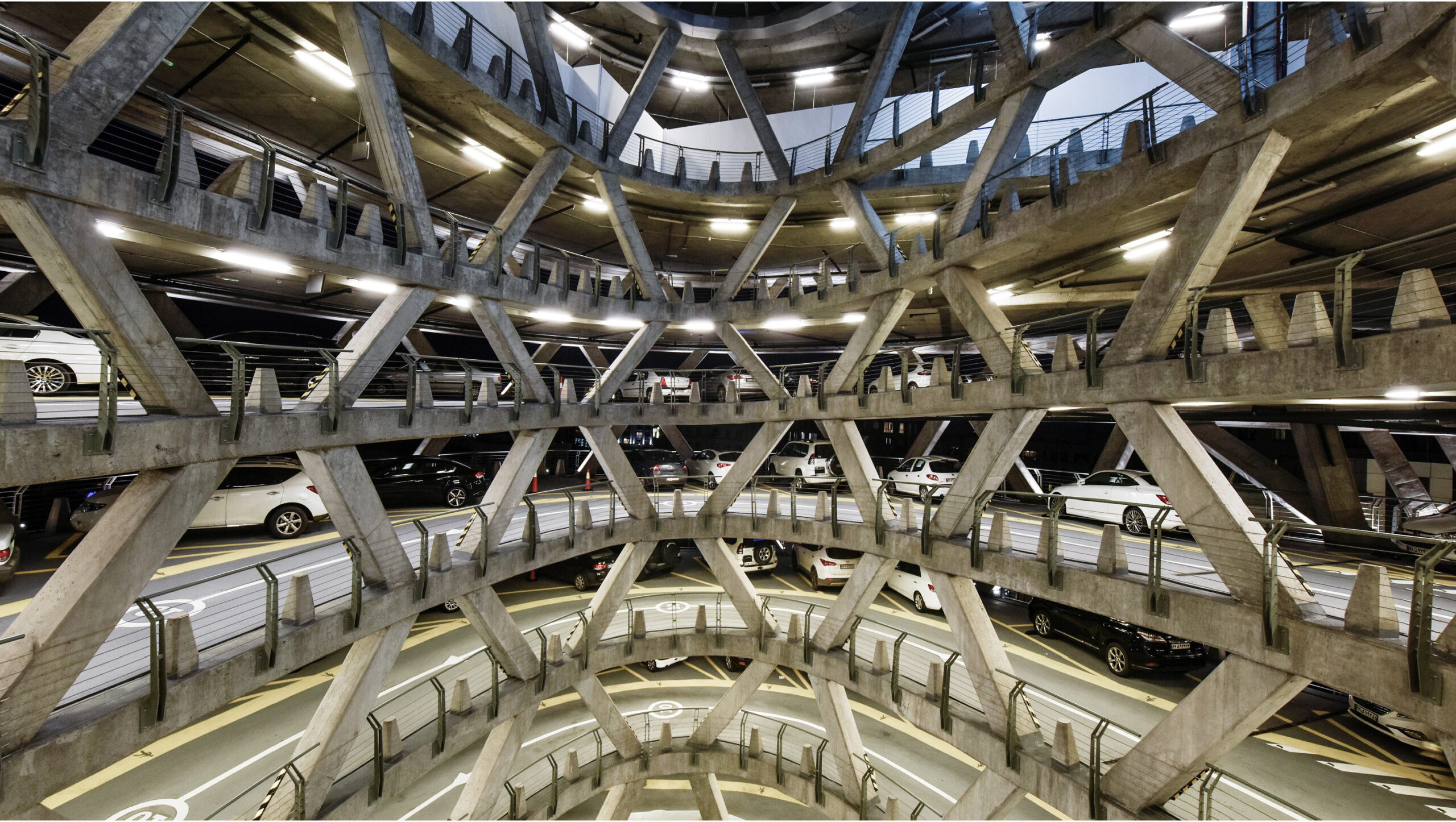
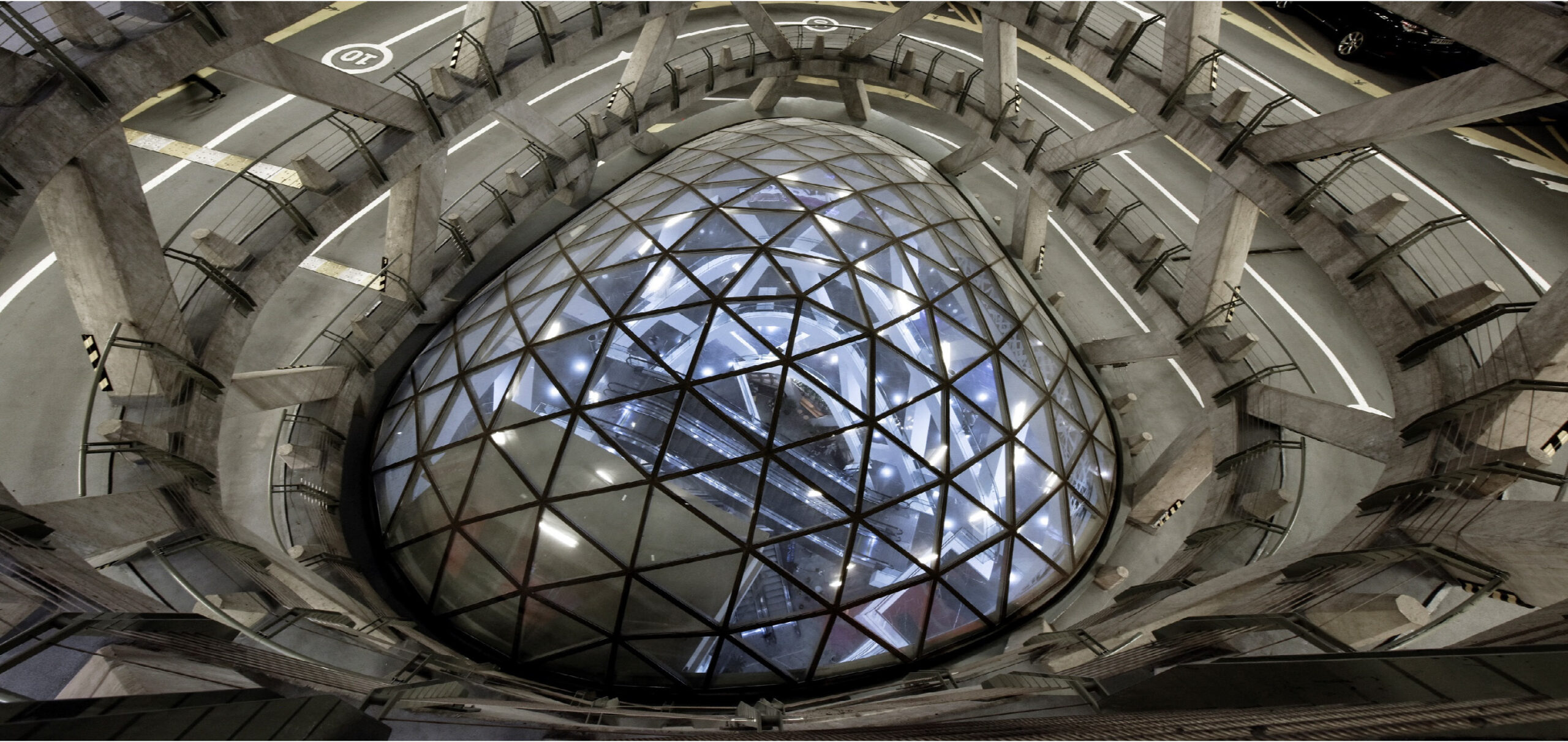
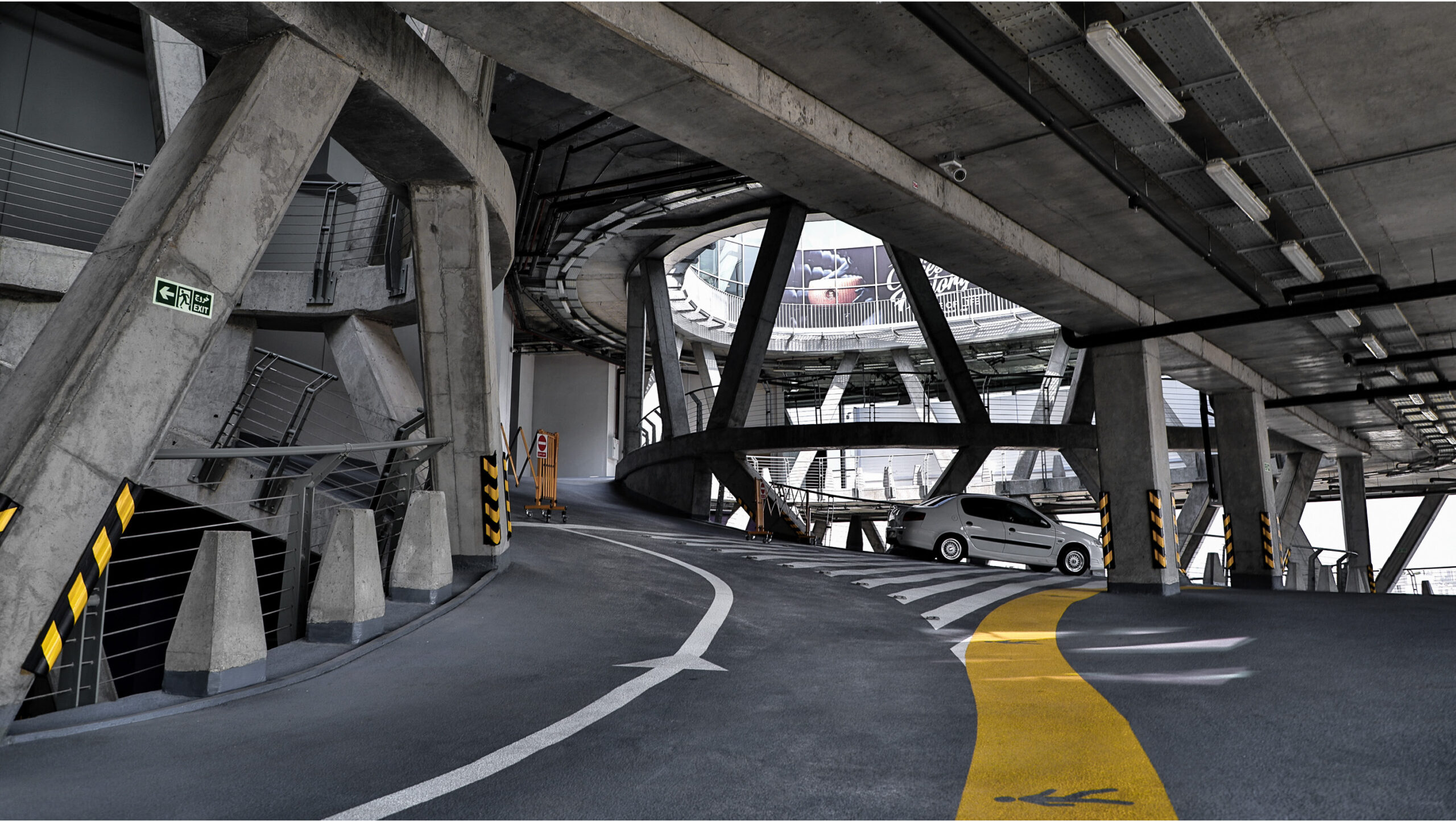
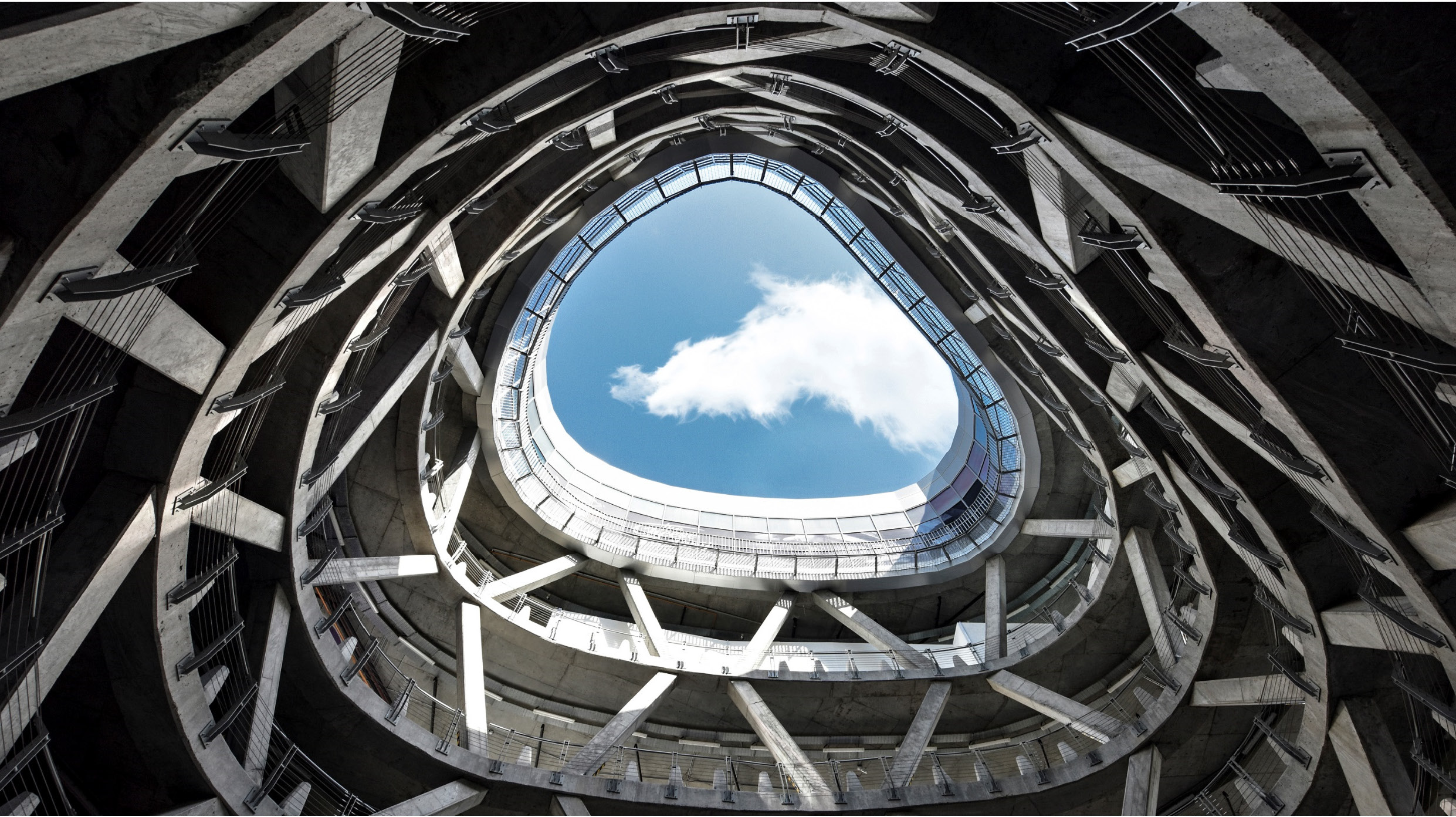
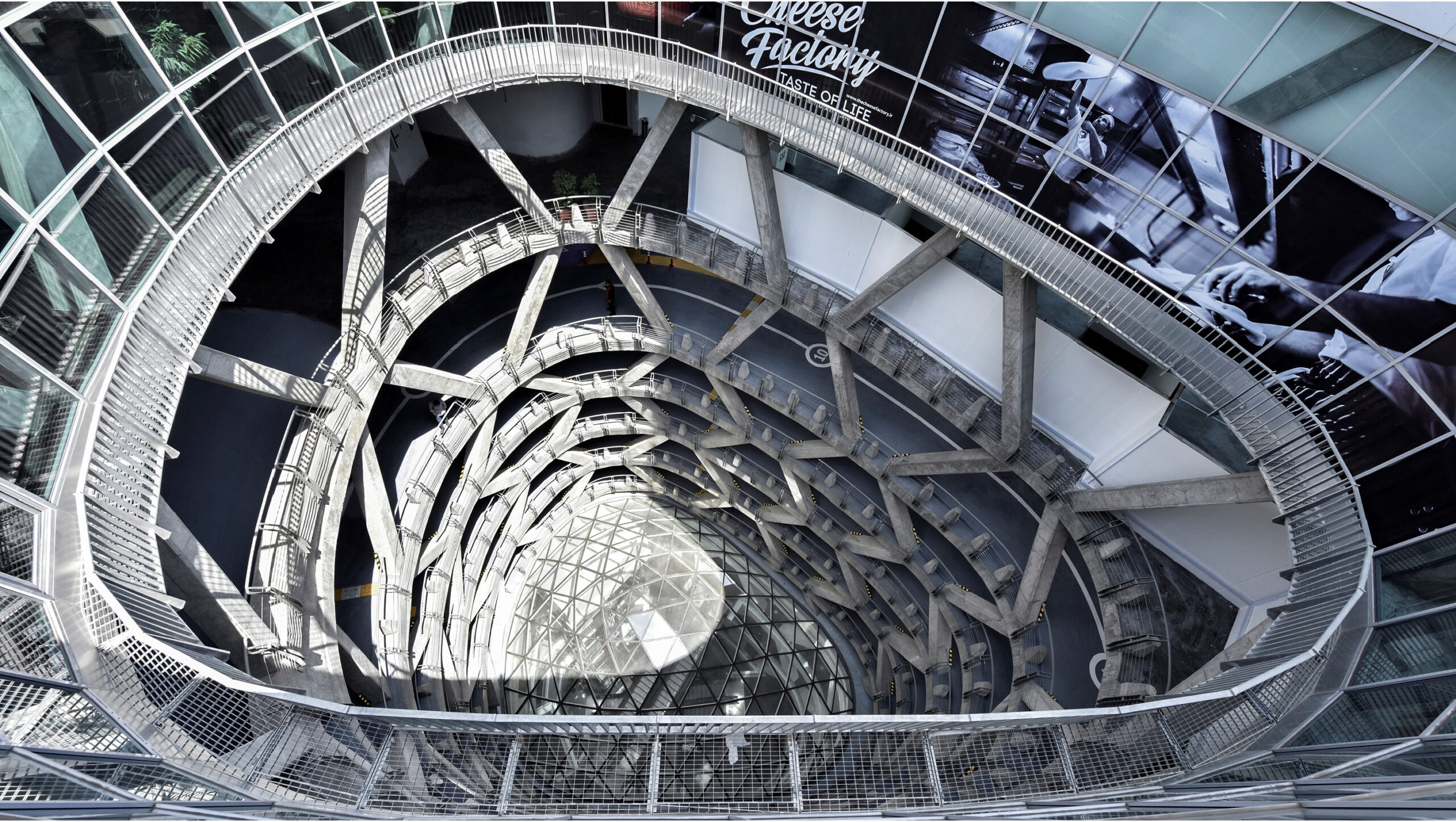
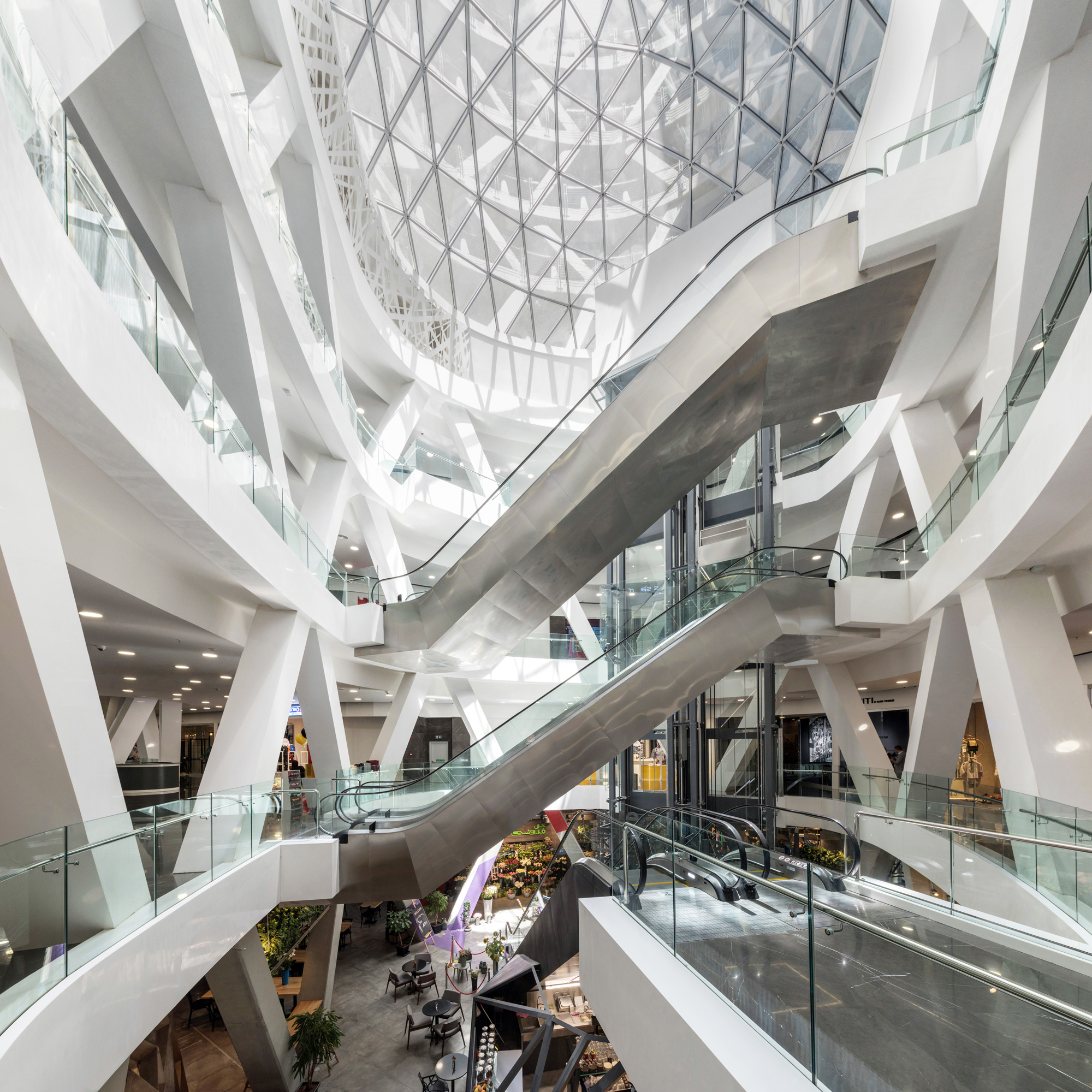
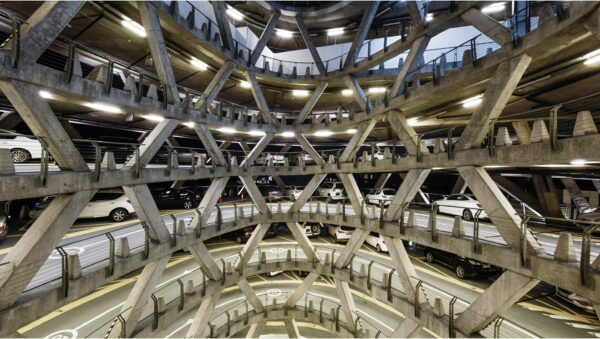
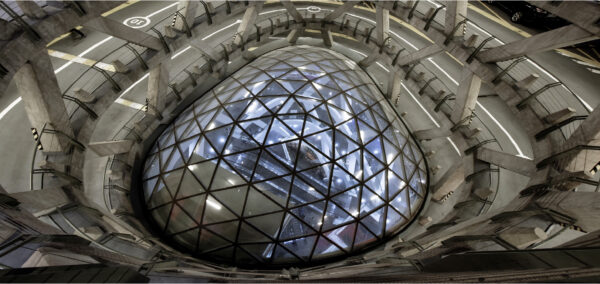
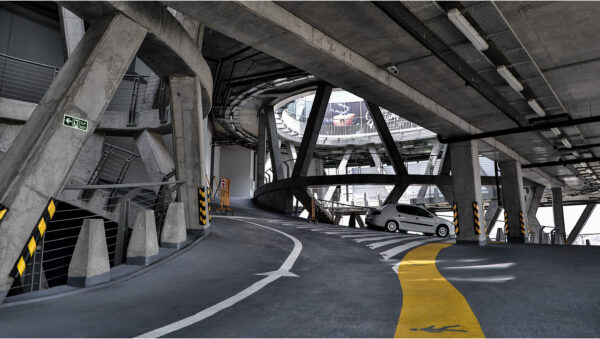
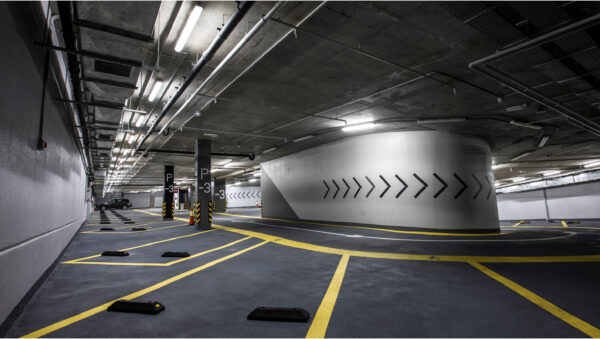
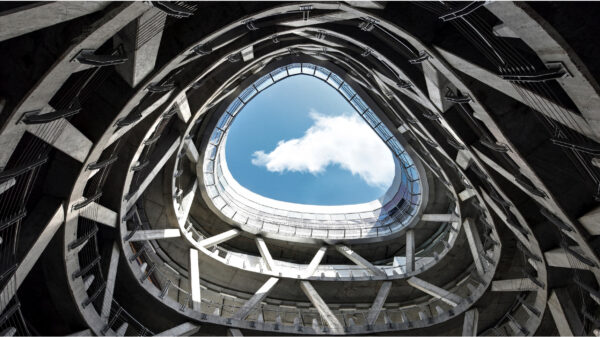
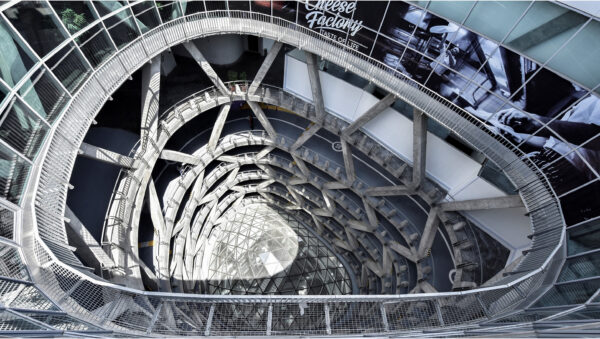
To enhance spatial quality, two large skylights were introduced, extending through all eight levels and bringing natural daylight deep into the lower commercial floors. Parking circulation was organized as a continuous spiral around these light wells, with separate ramps for ascending and descending vehicles to ensure clarity, safety, and efficient flow.


Structure
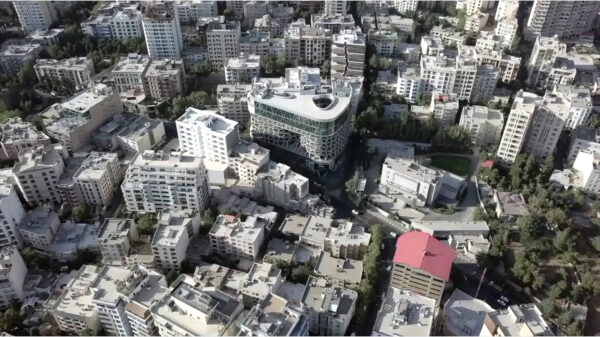
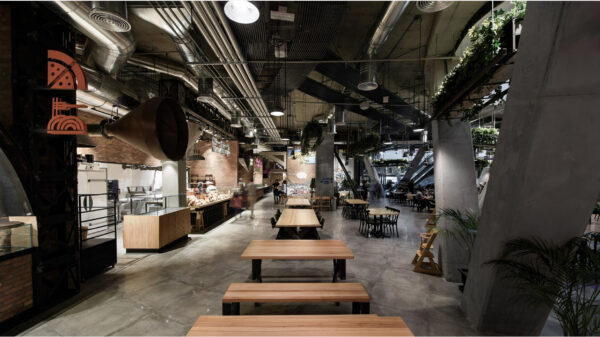
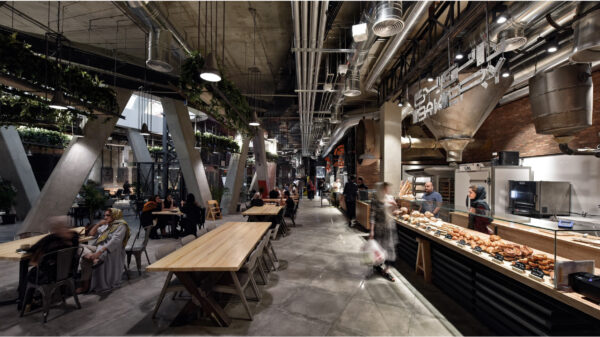
Several systems were studied before selecting a diagrid configuration—a continuous concrete shell capable of unifying the building’s diverse programs. The grid followed the project’s curvature, producing a structure that was both structurally efficient and spatially expressive.

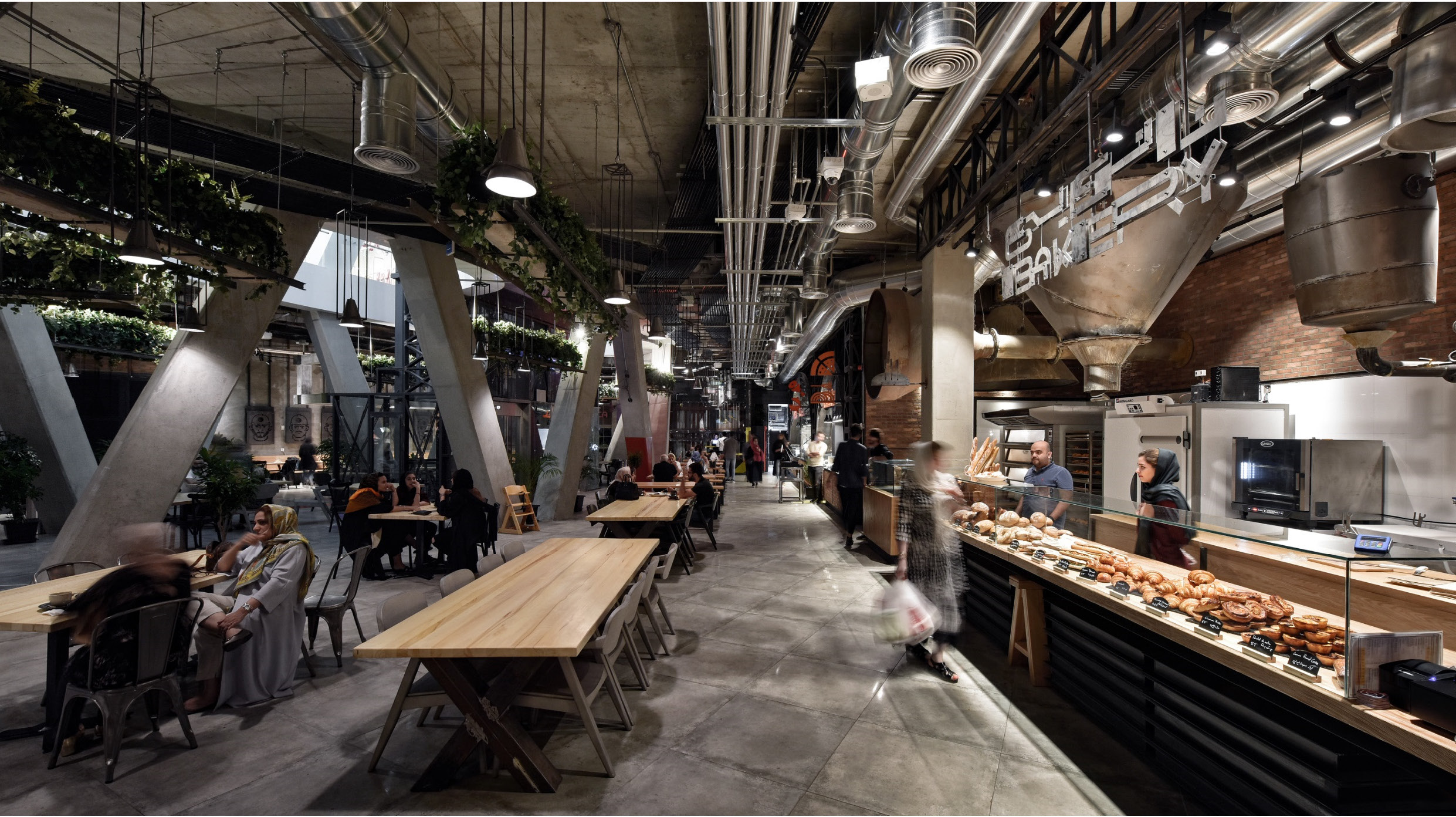
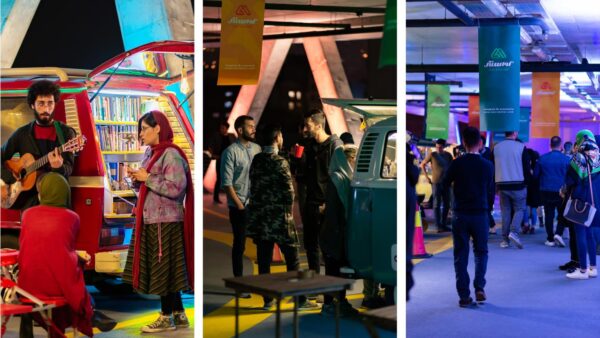
Over time, AVA Platt evolved beyond its original commercial brief, becoming a dynamic urban organism that attracts a wide spectrum of users. Notably, the upper parking levels—initially conceived purely to satisfy regulatory requirements—began to reveal unexpected spatial and social potential.
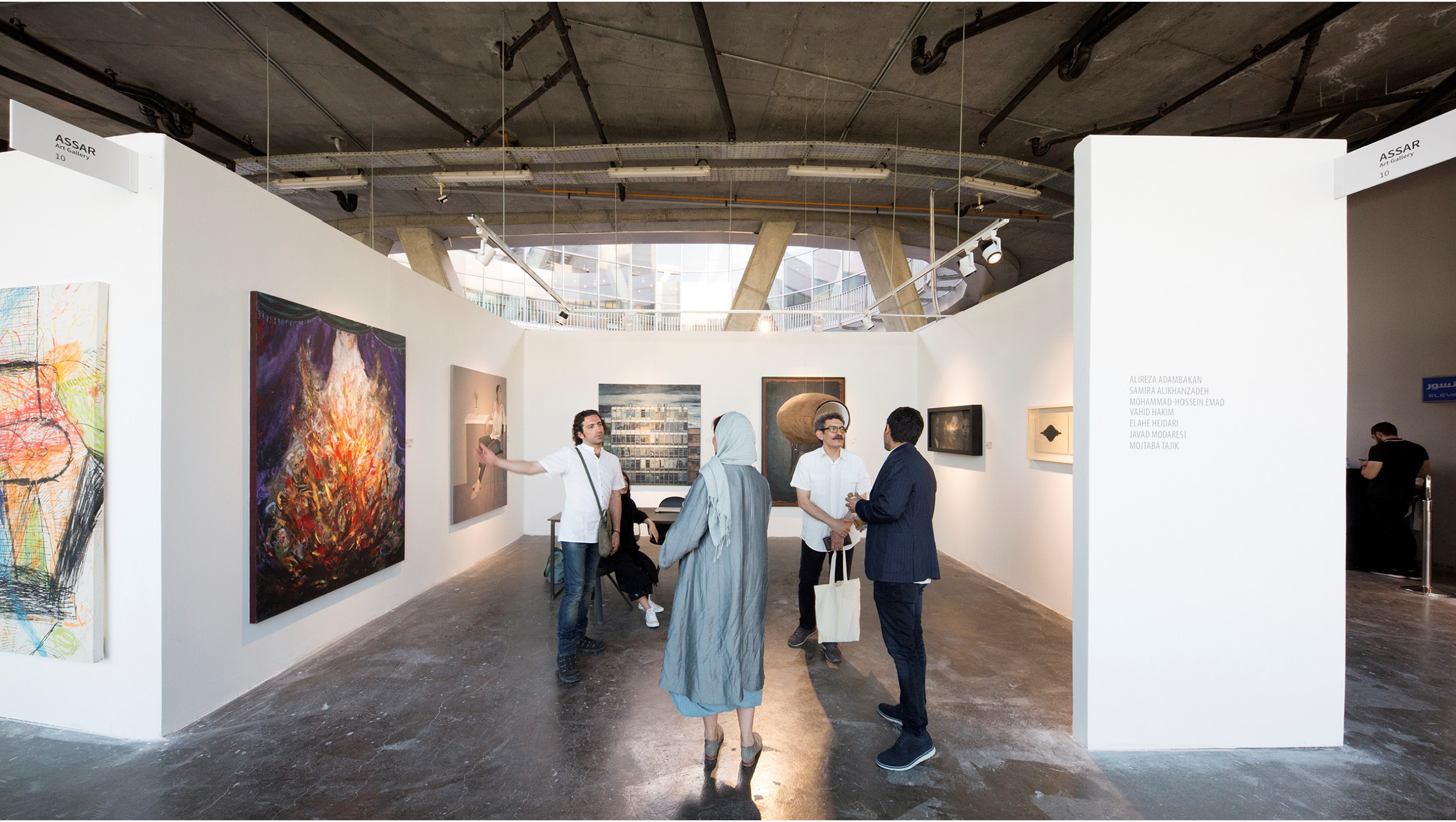
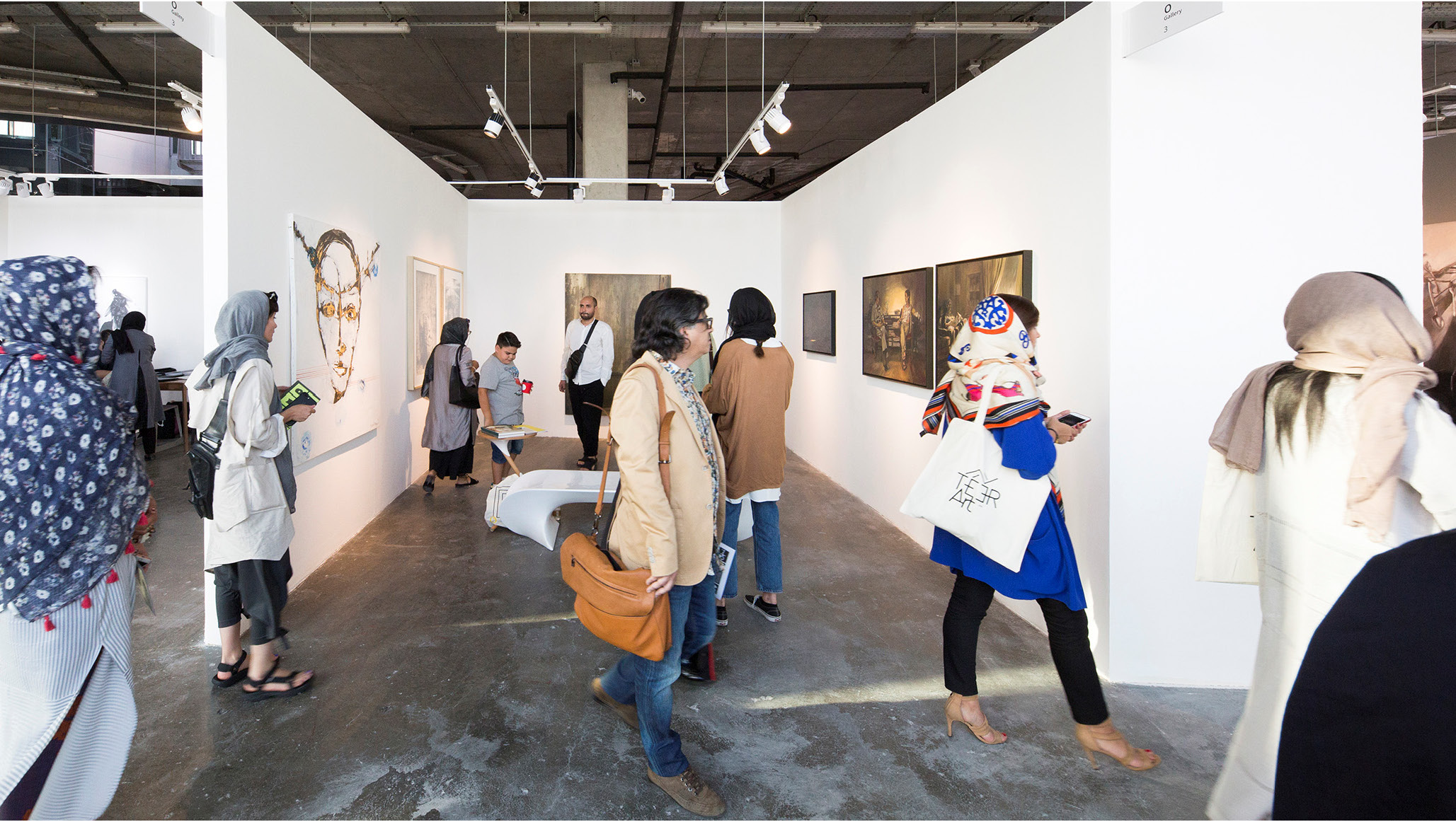
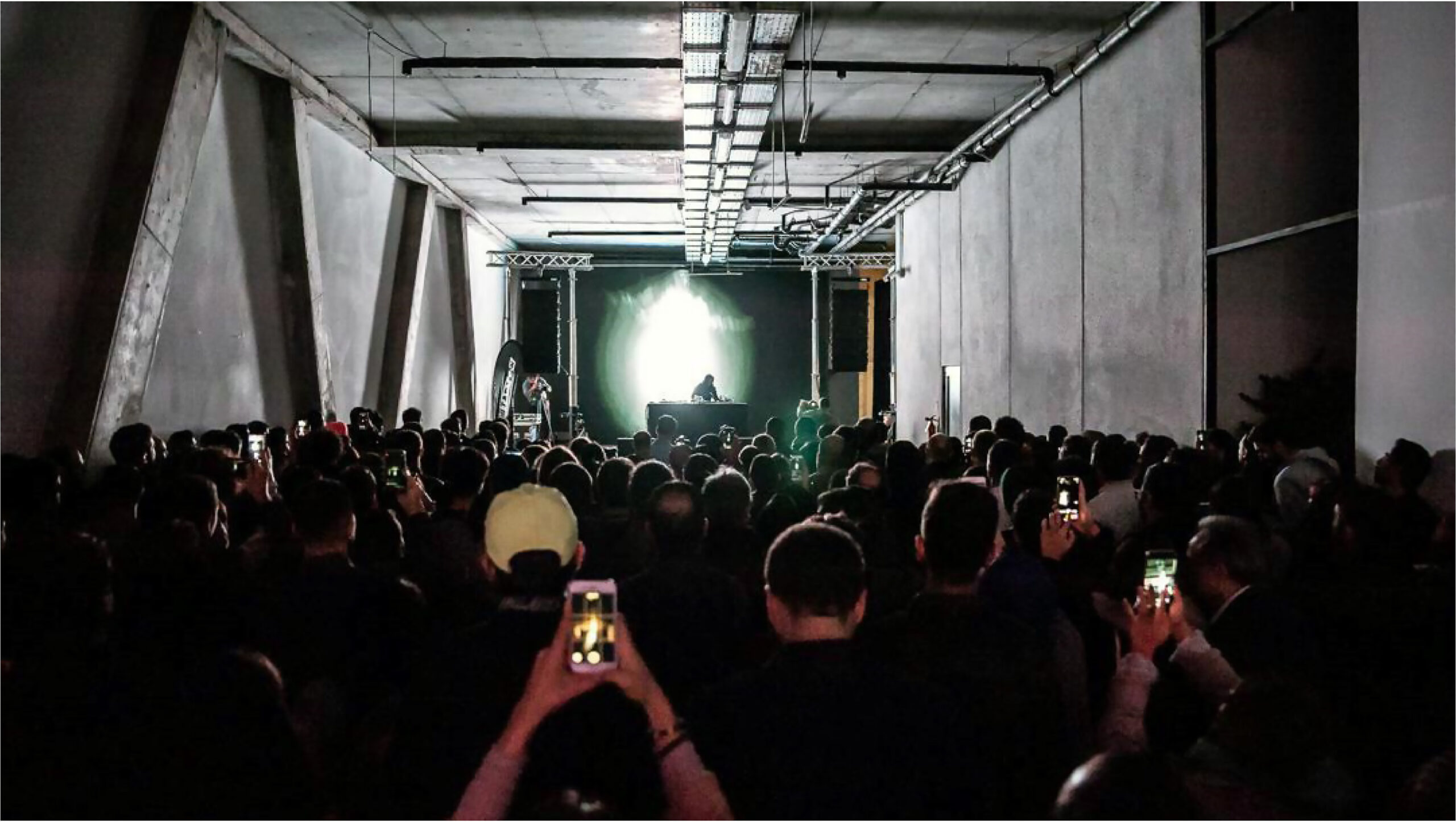
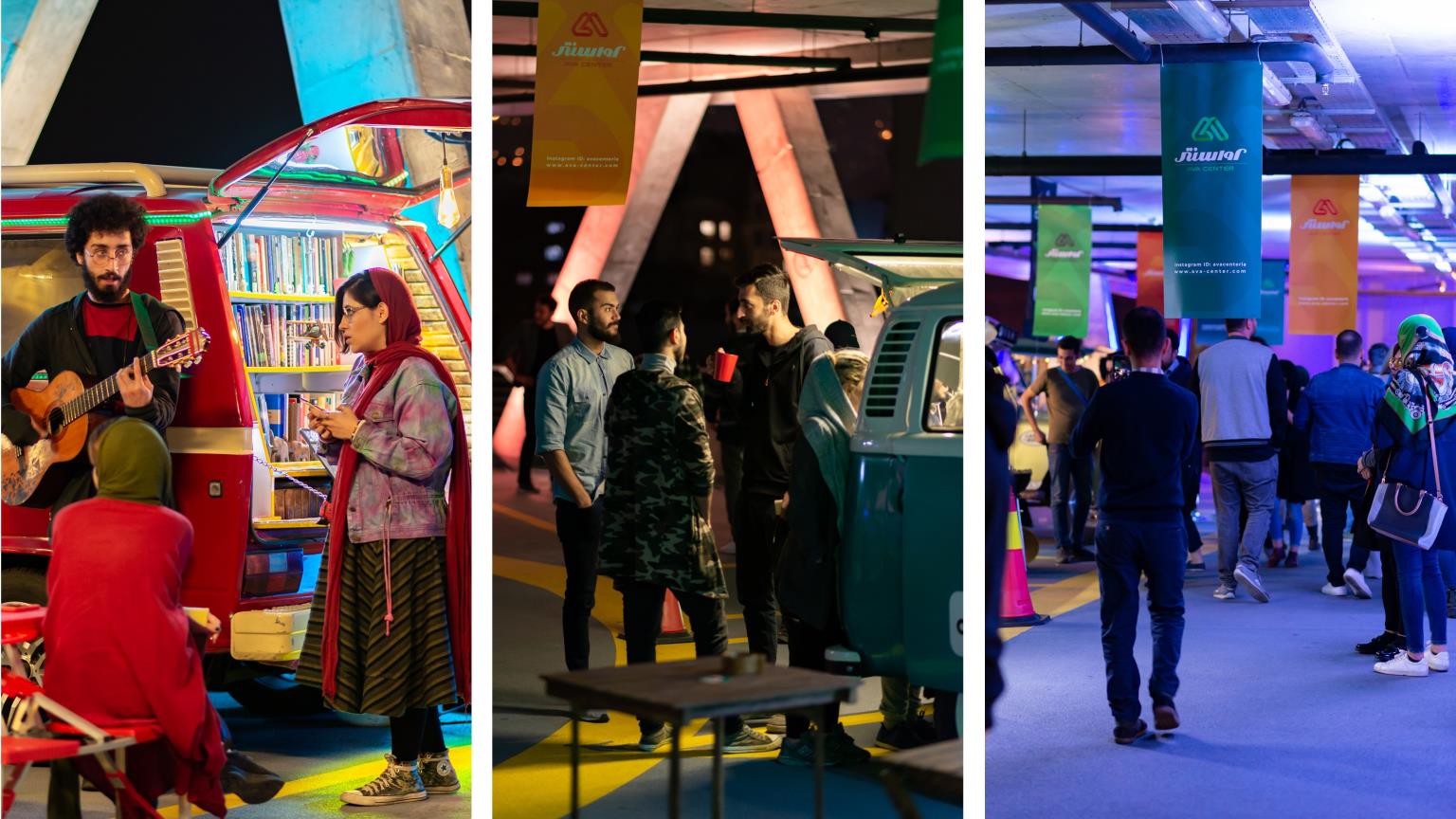
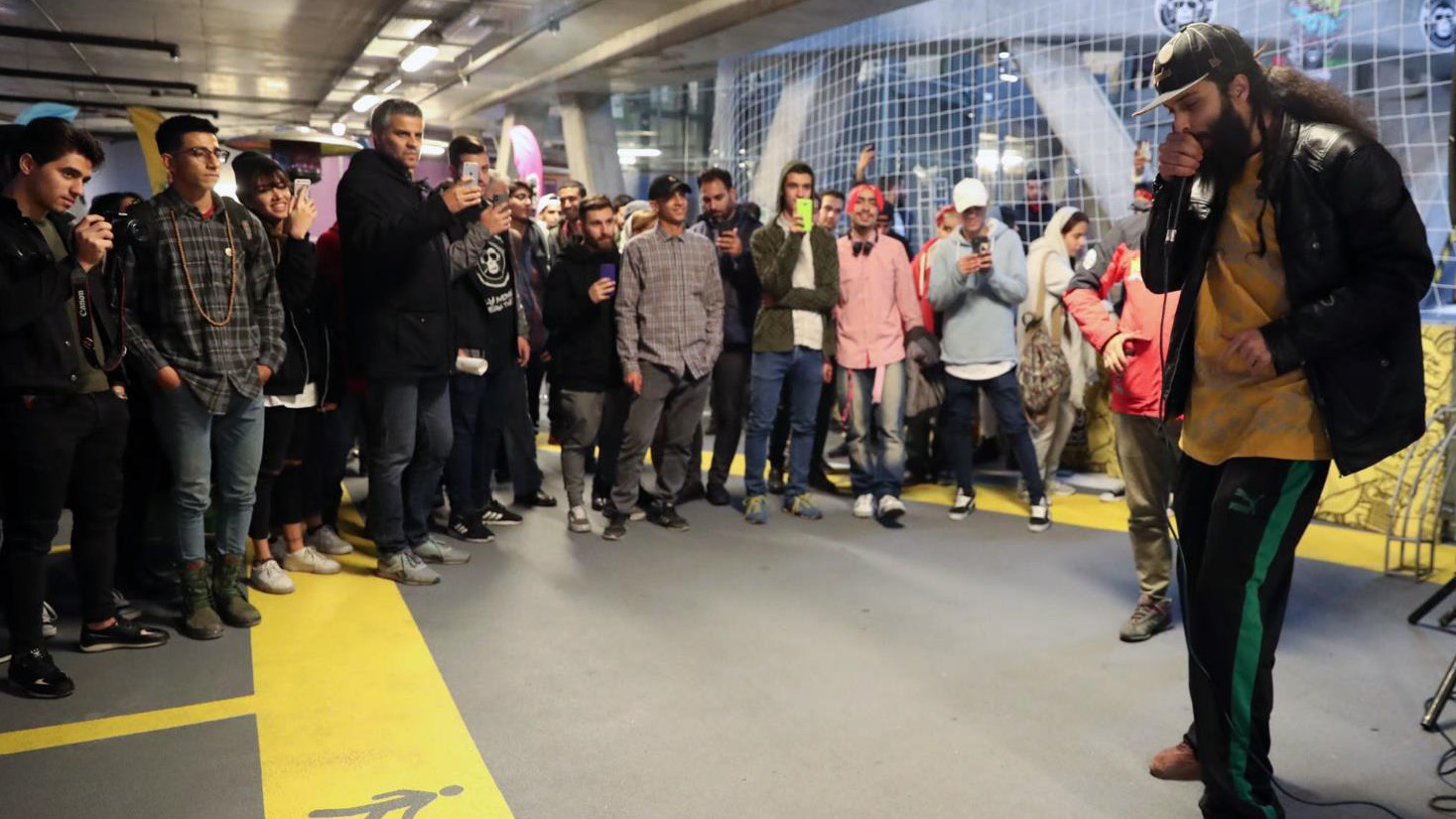
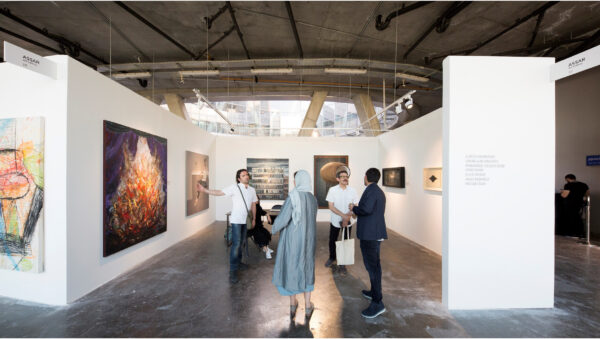
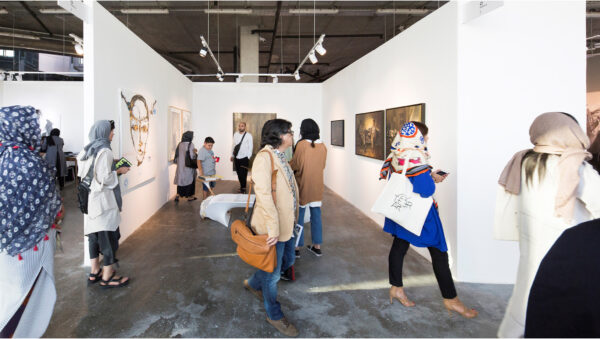
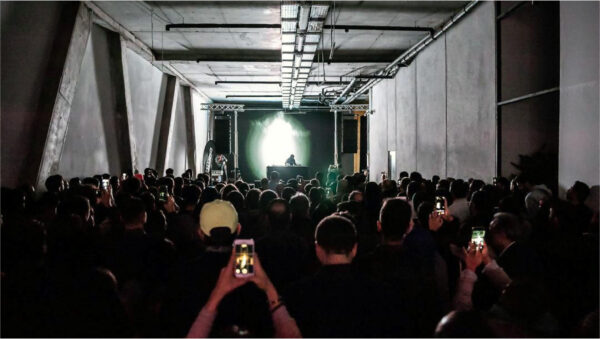
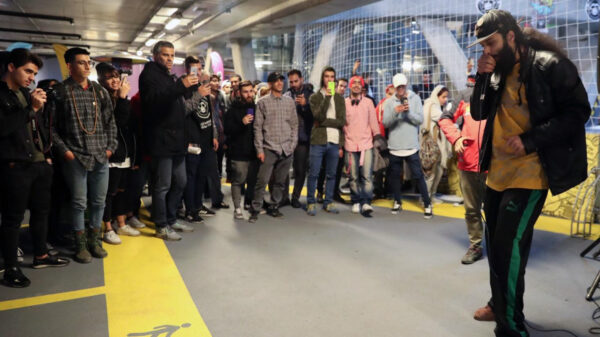
These levels ceased to function solely as car storage and instead emerged as an internal urban street, hosting a wide range of public events and activities: performances, festivals, exhibitions, lectures, children’s programs, and informal gatherings. The parking structure was transformed into an active public realm embedded within the building.
In this way, the project began to influence everyday urban life, fostering collective and spontaneous social experiences. AVA Platt is not merely a commercial building; it is a civic platform—an architectural framework designed to enhance urban life and create meaningful social and cultural impact. What began as a shopping center ultimately became a piece of the city within the city.