






Ave Gallery
Project Outline
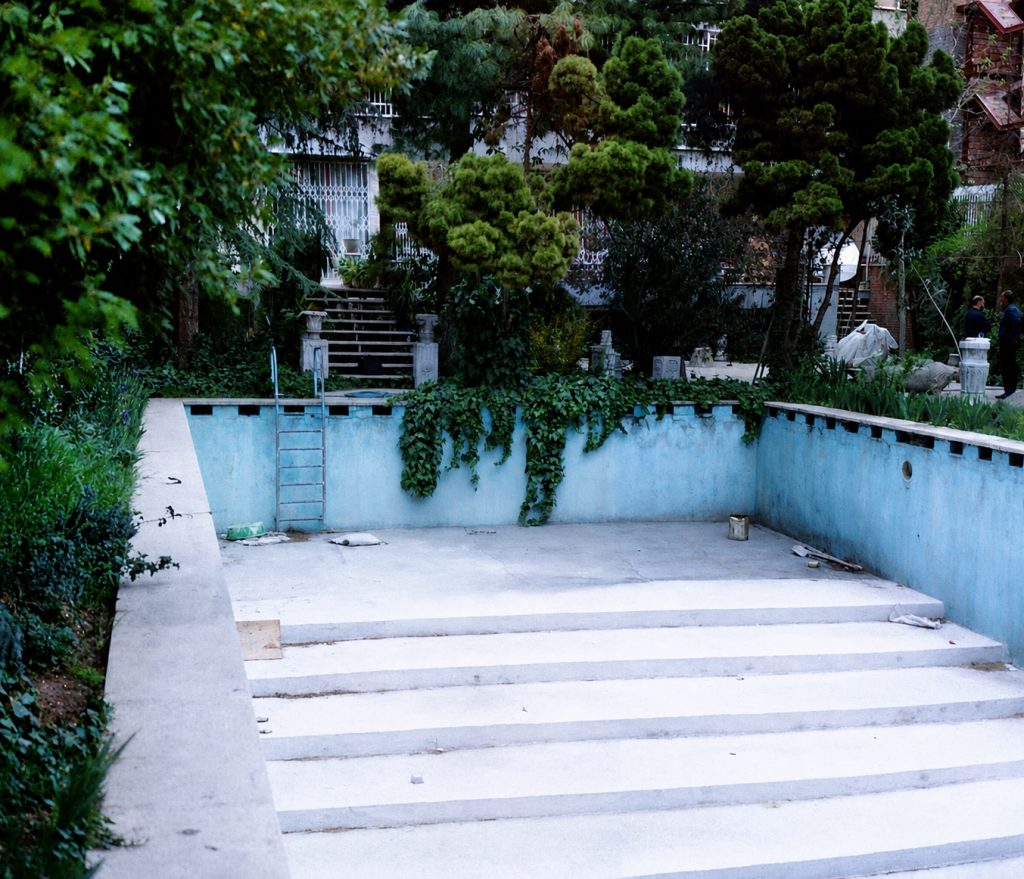
The villas that once characterized Tehran often included private gardens and swimming pools—spaces of retreat within the city. As surrounding buildings gradually increased in height and density, many of these gardens and pools lost their privacy, becoming exposed and eventually abandoned.
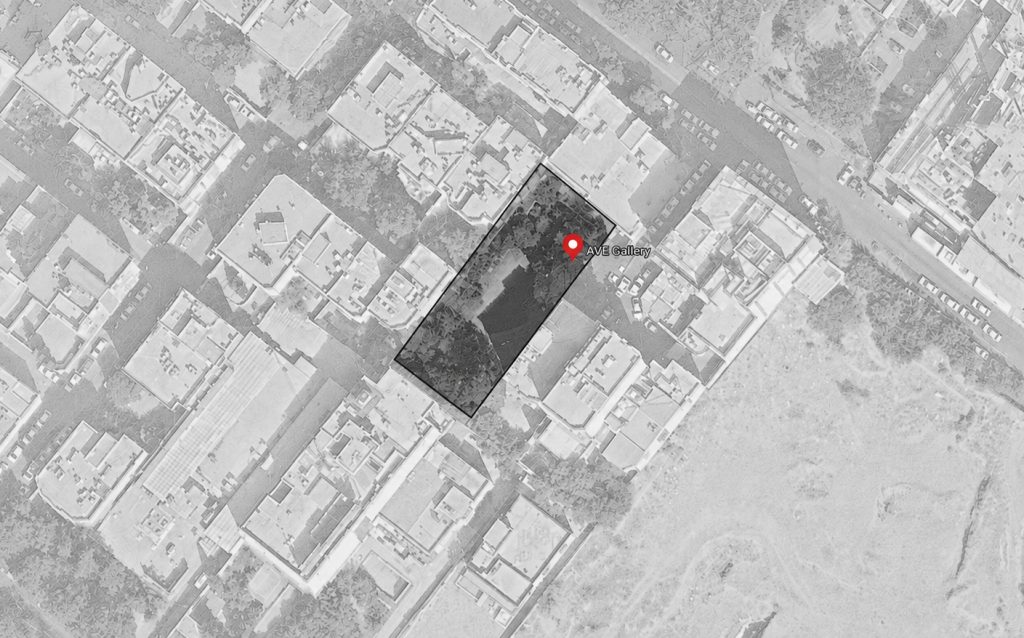
One such pool belonged to Fereydoun Ave, one of Iran’s most significant contemporary artists. Unused and concealed within the ground, the pool presented itself as a latent spatial condition rather than a functioning object. His question—whether anything could be done with it—became the starting point of the project. At the time, my background was in painting, and the pool had long interested me as a spatial and perceptual phenomenon: a container of depth, light, reflection, and immersion. The idea of reinterpreting this condition architecturally coincided with Fereydoun’s long-standing desire to create a small, independent gallery space for emerging Iranian artists, following his earlier initiative No. 13 Vanak.
Architectural Concept
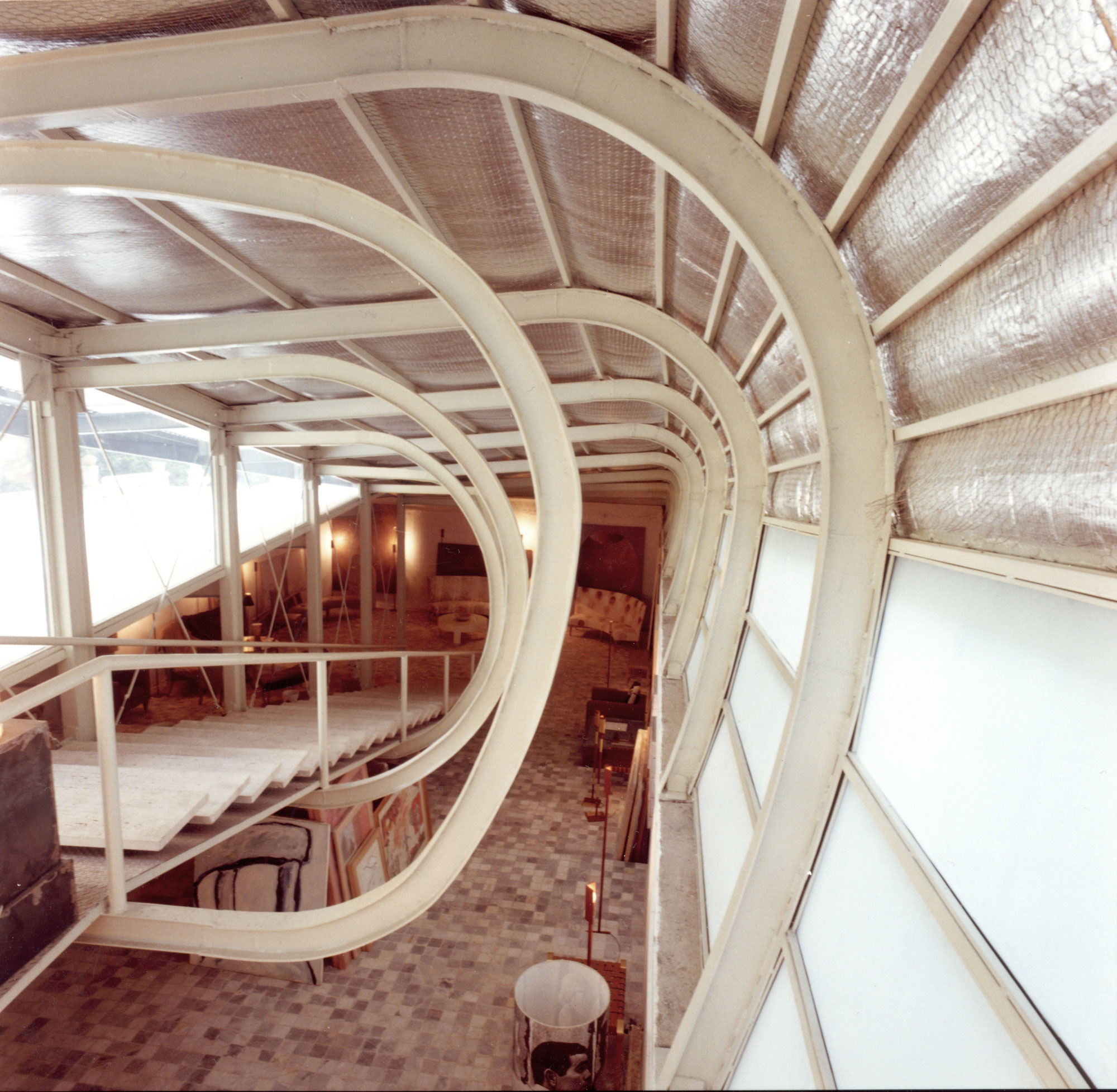
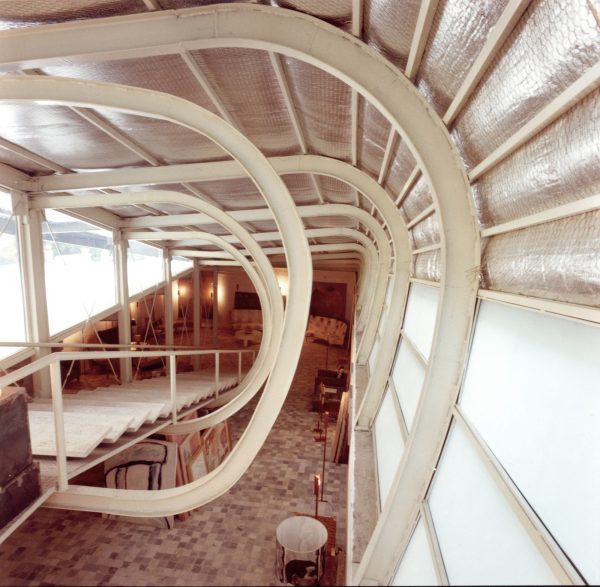
The pool itself was essentially a void: a three-meter-deep excavation with an area of approximately 200 square meters. Rather than filling or erasing it, the project proposed to preserve and activate this void. The architectural intervention was deliberately minimal—covering the pool with a light roof aligned to the ground plane, introducing a single opening, and inserting a stair to allow a gradual descent into the space.
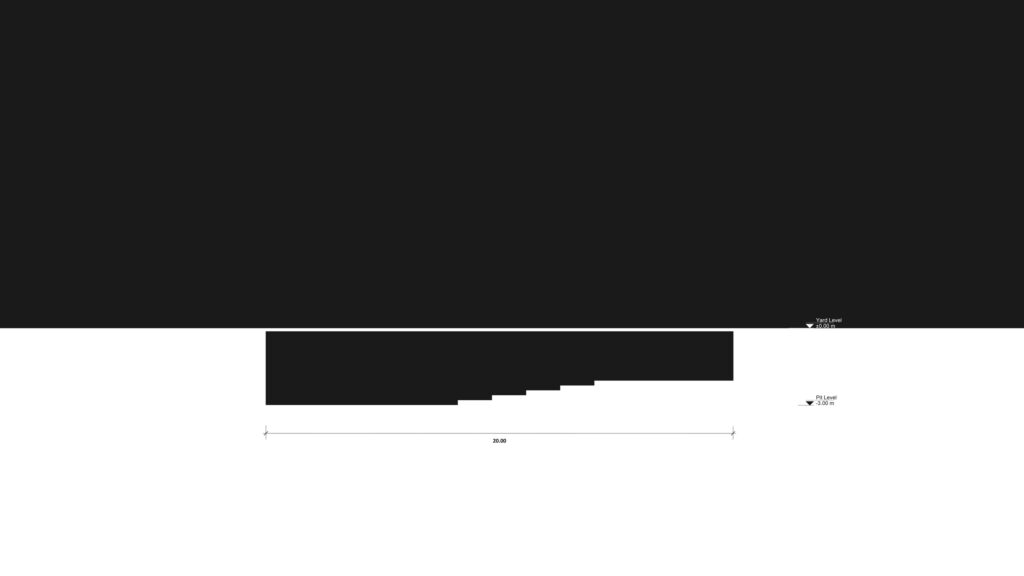
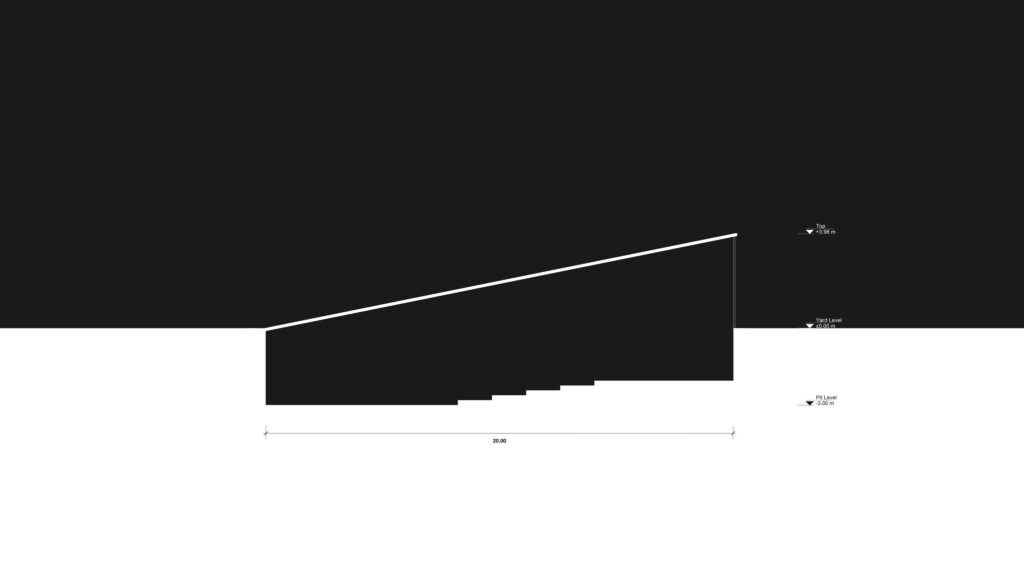
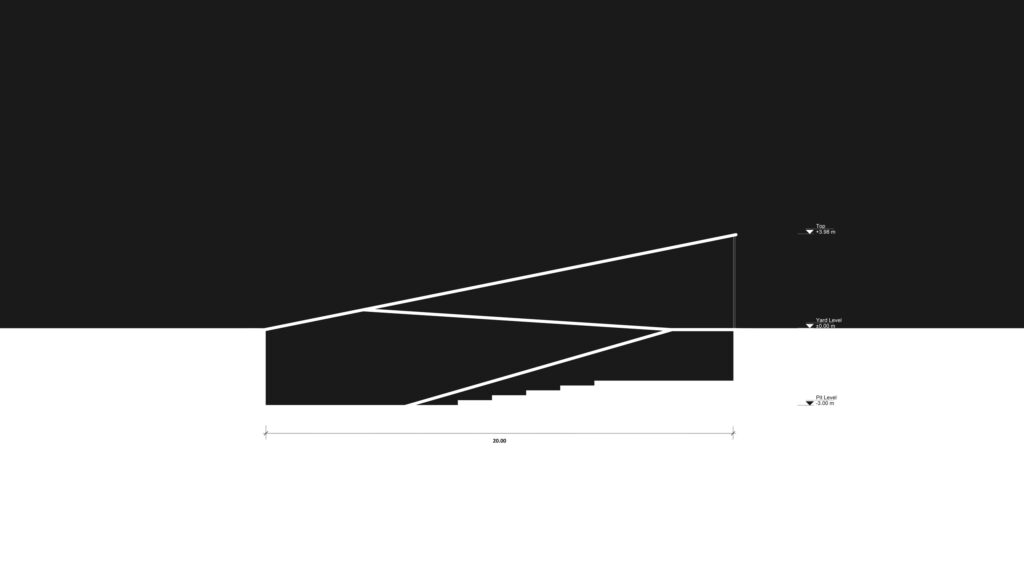
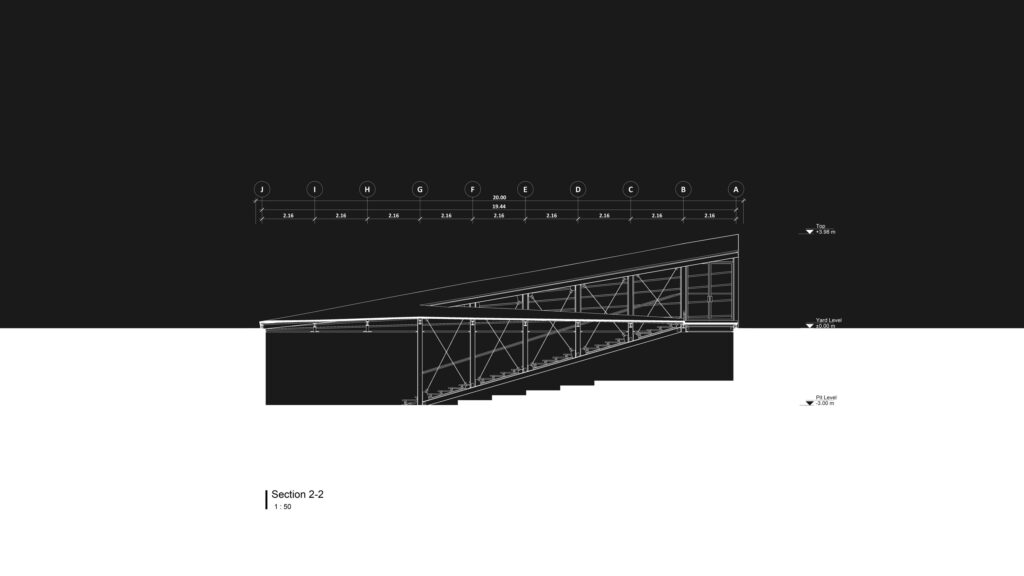
This transformation inverted the conventional logic of the swimming pool. A space originally designed for bodily immersion in water became a place of spatial immersion in art. Descending below ground level, the visitor experiences a sense of enclosure, calm, and filtered light—qualities reminiscent of being submerged, yet translated into architectural terms.

Built with an extremely modest budget, the gallery consists primarily of a flat surface at ground level and a diagonal cut that defines entry and movement. The simplicity of the intervention allowed the space itself to remain dominant and adaptable.
Once activated by exhibitions, the gallery revealed its full potential. Artists such as Farhad Moshiri, along with many other emerging painters of the time, exhibited their work in the space. The former backyard was further transformed through the addition of gravel and outdoor sculptures, extending the project beyond the enclosed gallery and forming a hybrid condition between interior gallery and sculpture garden.
Ava Gallery represents the conversion of an abandoned private infrastructure into a public cultural space—an architectural act of reuse that operates through subtraction, descent, and spatial inversion rather than formal excess.


